

Key Takeaways
Lower annual mileage reduces wear and depreciation
City drivers often rack up fewer miles because errands, work, and social trips can be handled on foot or via transit. Less mileage means slower mechanical wear and a vehicle that holds its value longer.
Flexibility for trips transit can't serve well
Road trips, large grocery runs, transporting bulky items, or reaching destinations poorly served by public transit become straightforward with a personal vehicle parked nearby.
Potential to offset costs through car-sharing platforms
Some urban owners list their vehicles on peer-to-peer car-sharing services during hours they're not using them, which can partially offset insurance and parking expenses - though this introduces its own considerations around insurance coverage and wear.
High parking costs can rival a car payment
Monthly garage fees in dense urban neighborhoods can run $200-$400 or more, a fixed cost that persists whether you drive the car or not. This alone can tip the economics against ownership for low-frequency drivers.
Urban zip codes drive up insurance premiums
Insurers factor in local theft rates, collision frequency, and population density. Drivers in dense urban zip codes regularly pay meaningfully more than their suburban counterparts for identical coverage on the same vehicle.
Congestion, tolls, and emissions zones add variable costs
Some major US cities have implemented tolling systems for congested areas, and parking violations are a constant risk. These costs are difficult to predict and budget for in advance.
Idle vehicles depreciate without delivering value
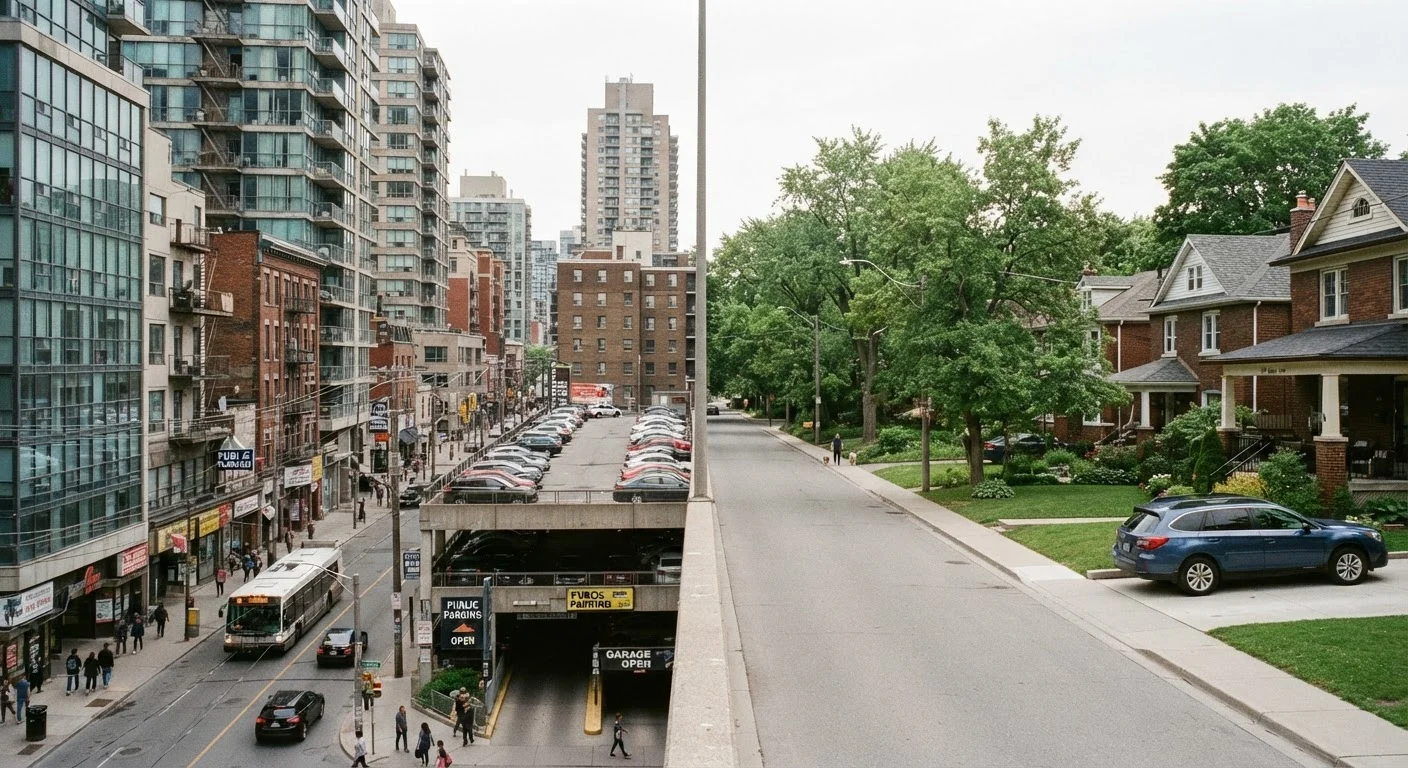
A car sitting in a parking structure for most of the week still depreciates, requires insurance, and accumulates fixed costs. If transit covers most of your trips, you may be paying ownership costs for minimal actual utility.
Our Verdict
City car ownership carries steeper fixed costs - parking, insurance, and potential congestion fees - but lower mileage can reduce wear-and-tear expenses. Suburban ownership offers cheaper parking and often lower premiums, but higher annual mileage adds up in fuel and maintenance. Neither is automatically the smarter financial move; your daily usage, available transit, and local costs are the deciding factors.
This comparison is most useful for young adults deciding whether to keep a car after moving to a new city, or weighing whether to buy their first vehicle based on where they live.
The Core Cost Differences by Location
Where you park your car overnight is one of the strongest predictors of what it costs you annually - often more so than the vehicle itself. Urban and suburban environments create very different ownership economics, and understanding that gap is the first step to making an honest financial assessment.
In dense cities, the biggest fixed-cost differentiator is parking. Monthly garage or lot fees in major US metros can range from roughly $150 to over $400 depending on the neighborhood and city. On-street permits, where available, are cheaper but often come with restrictions. In suburbs, a driveway is usually included with housing, making parking a near-zero recurring cost.
Insurance is the other major variable. Insurers rate premiums partly by zip code, factoring in theft rates, accident frequency, and population density. Urban zip codes consistently attract higher premiums than suburban ones for equivalent vehicles. For a fuller picture of all the recurring costs involved, see everything that goes into the annual cost of running a car.
$1,800-$4,800
Estimated annual urban parking cost range
Monthly garage fees in major US metro areas typically fall between $150 and $400, according to parking industry surveys, though rates vary widely by city and neighborhood.
13,500 miles
Average annual US driving distance
The Federal Highway Administration reports the average American driver travels approximately 13,500 miles per year, with suburban commuters often exceeding this figure.
Pros and Cons of Keeping a Car in the City
Urban car ownership isn't inherently impractical, but the math only works in your favor under specific conditions - primarily when transit alternatives are limited or your lifestyle genuinely demands door-to-door flexibility.
Lower annual mileage reduces wear and depreciation
City drivers often rack up fewer miles because errands, work, and social trips can be handled on foot or via transit. Less mileage means slower mechanical wear and a vehicle that holds its value longer.
Flexibility for trips transit can't serve well
Road trips, large grocery runs, transporting bulky items, or reaching destinations poorly served by public transit become straightforward with a personal vehicle parked nearby.
Potential to offset costs through car-sharing platforms
Some urban owners list their vehicles on peer-to-peer car-sharing services during hours they're not using them, which can partially offset insurance and parking expenses - though this introduces its own considerations around insurance coverage and wear.
On the downside, city ownership introduces costs and friction that suburban drivers rarely face.
High parking costs can rival a car payment
Monthly garage fees in dense urban neighborhoods can run $200-$400 or more, a fixed cost that persists whether you drive the car or not. This alone can tip the economics against ownership for low-frequency drivers.
Urban zip codes drive up insurance premiums
Insurers factor in local theft rates, collision frequency, and population density. Drivers in dense urban zip codes regularly pay meaningfully more than their suburban counterparts for identical coverage on the same vehicle.
Congestion, tolls, and emissions zones add variable costs
Some major US cities have implemented tolling systems for congested areas, and parking violations are a constant risk. These costs are difficult to predict and budget for in advance.
Idle vehicles depreciate without delivering value
A car sitting in a parking structure for most of the week still depreciates, requires insurance, and accumulates fixed costs. If transit covers most of your trips, you may be paying ownership costs for minimal actual utility.
Mileage, Wear, and the Suburban Reality
Suburban drivers often assume they're getting the better deal because parking is free and insurance is lower. That's frequently true on fixed costs - but higher annual mileage tells a different story on variable costs.
The average US driver logs around 13,500 miles per year according to Federal Highway Administration data, but suburban commuters in car-dependent areas can exceed that substantially. More miles means faster tire wear, more frequent oil changes, and accelerated depreciation - all of which add real dollars. To understand how vehicle type affects these running costs, running costs vary significantly by powertrain.
Mileage and Insurance: A Two-Way Relationship
Many insurers offer lower-mileage discounts or usage-based insurance programs that track actual driving via a mobile app or plug-in device. If you're a suburban owner who drives less than average, it's worth asking your insurer whether a mileage-based policy would reduce your premium. Conversely, high-mileage suburban commuters should ensure their coverage limits and roadside assistance reflect actual usage.
Suburban owners also benefit from easier maintenance access - driveways allow basic DIY upkeep that apartment dwellers can't perform. Habits like checking tire pressure, topping fluids, and inspecting brakes are simpler when you have space. The Car Maintenance 101 hub covers affordable habits that extend vehicle life regardless of where you live.
The bottom line: suburban ownership has lower fixed costs but higher variable costs. City ownership reverses that equation. Neither is automatically cheaper - it depends on how many miles you actually drive and what alternatives exist where you live. For a broader view of often-overlooked expenses, the true cost of owning a car beyond the sticker price is worth reading before committing to ownership in either setting.