

Key Takeaways
Creates visual accountability through streaks and logs
Seeing a streak of completed days provides a concrete, low-effort motivation cue. Behavioral research consistently shows that visual progress representations can reinforce follow-through on goals.
Reduces reliance on memory and willpower alone
Notifications and daily check-ins serve as external cues that prompt action before motivation has to be summoned. This is especially useful in the early phase before a habit becomes automatic.
Surfaces patterns over time through data
A month of tracking reveals which days or contexts cause slip-ups, turning vague inconsistency into specific, actionable information you can address.
Low barrier to entry for new habits
Most apps require only a few seconds per day, making the tracking behavior itself easy to sustain even when the underlying habit feels effortful.
Streak anxiety can undermine long-term motivation
When missing a single day feels catastrophic, the emotional cost of imperfection can trigger abandonment rather than recovery. This all-or-nothing response is a documented pattern in behavior change research.
Shifts focus from intrinsic motivation to metric maintenance
Over time, some users find they're maintaining the app rather than the habit itself. When the streak becomes the goal, the underlying reason for the behavior can fade.
Adds screen time and potential digital overload
For people already managing notification fatigue, adding another app can increase friction rather than reduce it. The tool meant to help can become another source of daily obligation.
May not suit habits that are hard to quantify
Binary check-ins work well for concrete actions like drinking water, but poorly for nuanced habits like managing stress or improving communication - where a yes/no log misrepresents real progress.
Our Verdict
Habit tracking apps are a genuinely useful tool for building consistency - particularly in the early weeks when a new behavior hasn't yet become automatic. Their value largely depends on how you respond when you miss a day: as useful data or as a source of shame. Used with flexibility and self-awareness, they can meaningfully support habit formation without becoming a burden.
Best for people who are starting one or two new habits and want a lightweight, visual reminder system - not for those prone to perfectionism or screen fatigue.
What Habit Tracking Apps Actually Do
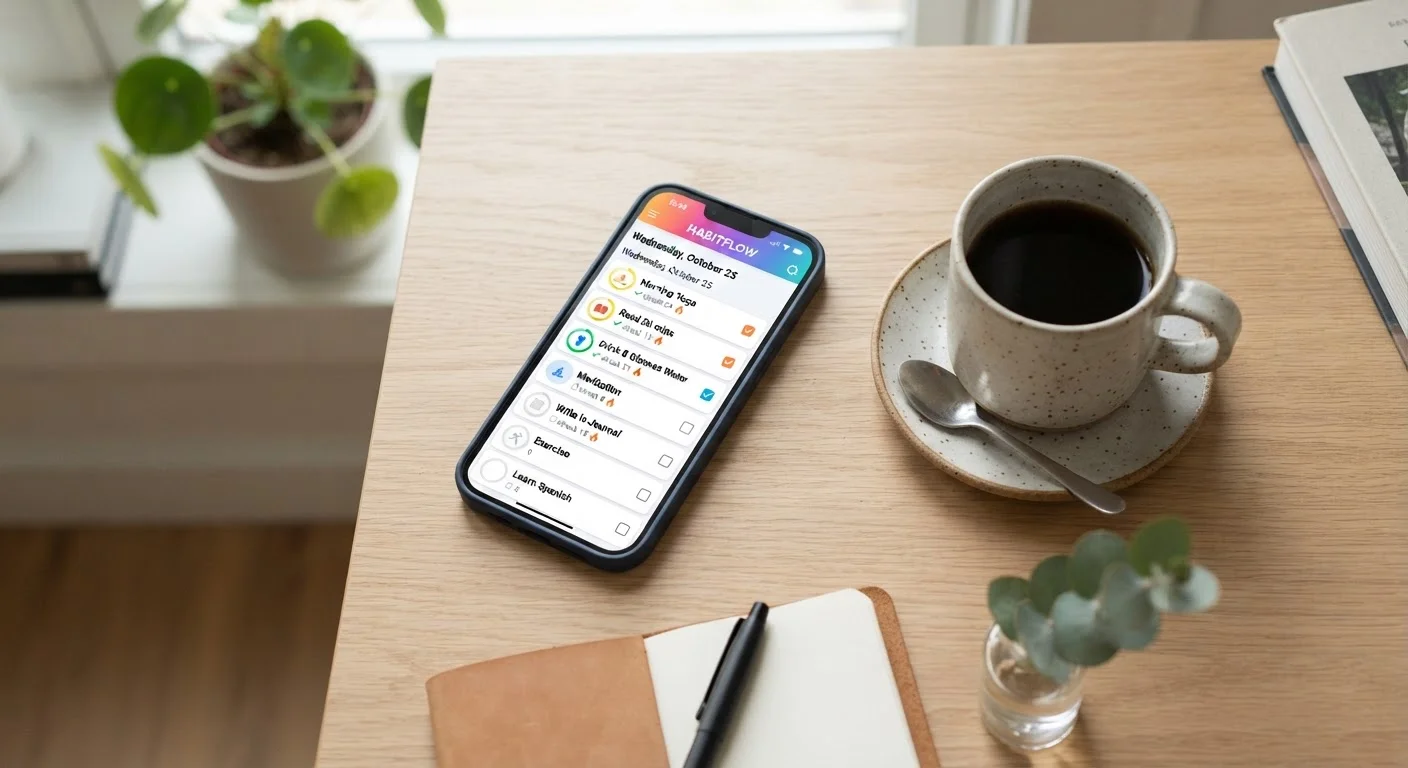
Habit tracking apps record whether you completed a chosen behavior each day, then visualize that data - usually as streaks, calendars, or completion rates. The appeal is simple: seeing a chain of consecutive check marks creates a mild psychological reward that can nudge you to keep going.
Research on habit formation suggests that the early repetition phase is where most people drop off. Tracking adds a layer of accountability by making the invisible visible. Instead of vaguely feeling like you've been inconsistent, you get a concrete record. That specificity can help - but it's worth understanding both sides before downloading the first app you find.
For a broader look at why consistency outperforms intensity when building habits, see why small repeated actions tend to outlast dramatic overhauls.
The Real Advantages
Creates visual accountability through streaks and logs
Seeing a streak of completed days provides a concrete, low-effort motivation cue. Behavioral research consistently shows that visual progress representations can reinforce follow-through on goals.
Reduces reliance on memory and willpower alone
Notifications and daily check-ins serve as external cues that prompt action before motivation has to be summoned. This is especially useful in the early phase before a habit becomes automatic.
Surfaces patterns over time through data
A month of tracking reveals which days or contexts cause slip-ups, turning vague inconsistency into specific, actionable information you can address.
Low barrier to entry for new habits
Most apps require only a few seconds per day, making the tracking behavior itself easy to sustain even when the underlying habit feels effortful.
The most underrated benefit is the reflection opportunity. Reviewing a week or month of tracking data can reveal patterns you'd never notice otherwise - consistently missing Thursdays, for example, might point to a recurring scheduling conflict you can actually fix.
The Genuine Downsides
Streak anxiety can undermine long-term motivation
When missing a single day feels catastrophic, the emotional cost of imperfection can trigger abandonment rather than recovery. This all-or-nothing response is a documented pattern in behavior change research.
Shifts focus from intrinsic motivation to metric maintenance
Over time, some users find they're maintaining the app rather than the habit itself. When the streak becomes the goal, the underlying reason for the behavior can fade.
Adds screen time and potential digital overload
For people already managing notification fatigue, adding another app can increase friction rather than reduce it. The tool meant to help can become another source of daily obligation.
May not suit habits that are hard to quantify
Binary check-ins work well for concrete actions like drinking water, but poorly for nuanced habits like managing stress or improving communication - where a yes/no log misrepresents real progress.
The streak problem deserves special attention. Missing a single day can feel catastrophic when the app displays a broken chain, which can trigger an all-or-nothing response - abandoning the habit entirely rather than simply continuing the next day. Understanding why habit attempts stall at predictable points can help you plan for this before it derails you.
There's also the question of whether the app becomes the goal. When maintaining a streak matters more than the habit itself, you've substituted one behavior (the habit) for another (logging). That's a subtle but important shift. For strategies on staying accountable without sliding into self-punishment when things go wrong, see accountability approaches that are firm but not damaging.
Tracking Is a Tool, Not a Treatment
Habit tracking apps are general productivity and wellness tools - they are not clinical interventions for mental health conditions, behavioral disorders, or medical concerns. If you're finding it difficult to maintain basic daily routines due to persistent low mood, anxiety, or other symptoms, speaking with a qualified healthcare professional is a more appropriate first step than downloading an app.
How to Get More Out of Tracking - If You Use It
A few practical adjustments make a meaningful difference:
- Track two or three habits maximum at once. Longer lists dilute attention and increase the chance that one missed habit derails the whole session.
- Choose apps that allow flexible goals - three days per week rather than daily - so missing a day doesn't register as failure.
- Treat gaps as information, not verdicts. A missed week tells you something about friction, scheduling, or motivation worth investigating.
- Reassess monthly. If checking the app feels like a chore or a source of dread, that's a signal the format isn't serving you.
It's also worth noting that tracking personal data carries broader trade-offs beyond habit apps specifically. Quantifying your life has real trade-offs worth knowing about - including privacy considerations and the risk of over-measuring things that resist simple metrics.
66 days
Average time for a habit to become automatic
A study published in the European Journal of Social Psychology found that habit automaticity developed over an average of 66 days, with a range from 18 to 254 days depending on the behavior.
~50%
Daily app abandonment rate within first month
Mobile analytics research consistently finds that roughly half of newly downloaded apps are no longer in regular use within 30 days, a pattern that applies to habit-tracking tools as well.