

Key Takeaways
Why a Budget Is Worth the Hour It Takes
Most people avoid budgeting because it feels complicated or restrictive. In reality, a budget is just a spending plan - a document that tells your money where to go instead of wondering where it went. If you are new to managing your own finances, this start-from-scratch guide covers the broader picture, but the seven steps below are enough to get a working budget in place today.
Before diving in, familiarize yourself with a few core terms. This plain-language glossary defines concepts like net income, discretionary spending, and fixed costs - vocabulary you will encounter throughout this walkthrough.
What you will need
The Seven Steps
Work through these steps in order. Each one builds on the last, so skipping ahead tends to create gaps that cause budgets to fail.
Calculate your monthly take-home income
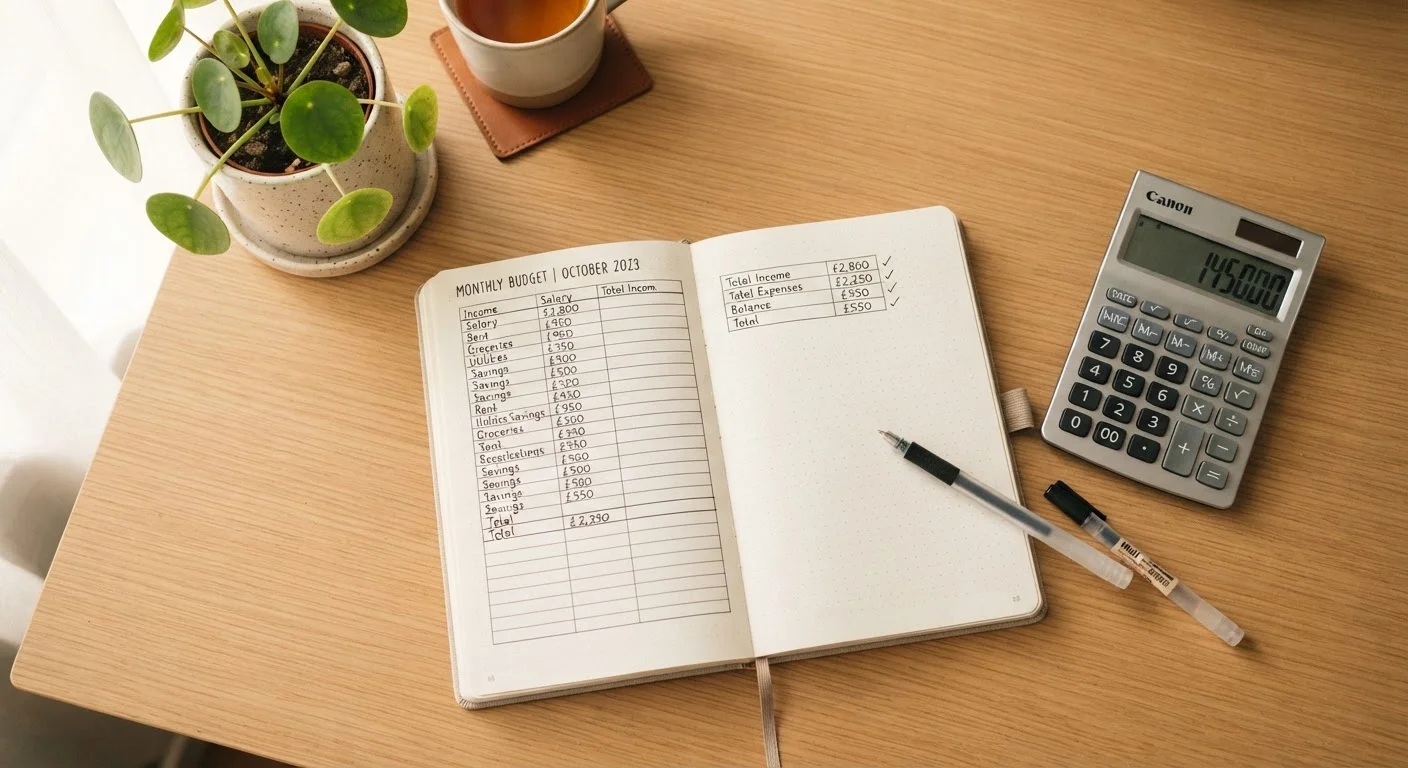
Start with what actually lands in your bank account after taxes and any deductions - this is your net income. If your income varies month to month, use a conservative average from the last three months rather than your highest-earning month.
List every fixed expense
Fixed expenses are costs that stay the same each month - rent or mortgage, loan payments, insurance premiums, and subscriptions with set fees. Write down the exact dollar amount and due date for each.
Estimate your variable expenses
Variable expenses fluctuate: groceries, gas, dining out, entertainment, and personal care. Review two or three months of bank and card statements to find a realistic monthly average for each category rather than a hopeful guess.
Account for irregular and annual expenses
Car registration, annual subscriptions, holiday gifts, and medical co-pays do not appear every month, but they are real expenses. Divide each annual or semi-annual cost by 12 and set that amount aside monthly so the bill never blindsides you.
Set a savings target
Treat saving as a non-negotiable line item, not whatever is left over at the end of the month. A common starting framework is the 50/30/20 guideline - roughly 50% of net income on needs, 30% on wants, and 20% on savings and debt repayment - though the right split depends on your individual circumstances.
Subtract total expenses from income and close any gap
Add up all fixed costs, variable expenses, irregular allocations, and your savings target. Subtract the total from your monthly net income. If the result is negative, you are spending more than you earn - reduce discretionary (want) categories first before touching savings or essential expenses.
Review and adjust at the end of each month
At the end of your first month, compare actual spending against your plan category by category. Most first budgets need adjustment - that is expected. Revise amounts that were consistently off and carry any unspent surplus into savings or the following month's plan.
Once your budget is drafted, keep the momentum going. The monthly budget setup checklist gives you a repeatable routine so you do not have to start from scratch each month. And be aware that many first-time budgets undercount expenses - these commonly missed spending categories are worth reviewing before you finalize yours.
Consistency Beats Perfection
Your first budget will not be perfect - and that is completely normal. The habit of tracking and reviewing is more valuable than getting every number right from day one. Aim for consistent monthly check-ins rather than a flawless spreadsheet.
This article is for general informational and educational purposes only and does not constitute personalized financial advice. For guidance specific to your situation, consider consulting a qualified financial professional.
Where to Go From Here
A budget is the foundation, not the finish line. Once your spending plan feels stable, two natural next steps are building savings and addressing any debt - the Saving & Debt hub covers both. When you are ready to think longer term, the Investing Essentials hub offers foundational concepts for putting money to work. Even shorter-term goals, like a trip, benefit from a budget - traveling on a tight budget is far more achievable once you have a spending plan in place.