

Key Takeaways
Why Habits Beat One-Off Fixes
Most cars don't fail suddenly - they degrade gradually through neglect. A small coolant leak, low brake fluid, or slightly soft tyre rarely announces itself with an emergency. Instead, these issues quietly worsen until they become expensive. The difference between a $30 fix and a $3,000 repair is almost always timing, and timing is what consistent habits control.
Think of preventive maintenance the same way you'd think about building financial habits early: small, repeated actions compound. A car that receives regular attention lasts longer, fails less often, and holds a higher resale value than one that's only serviced when something goes wrong. The practices below are the ones most worth building into your routine from the start.
Check five key fluids at least once a month
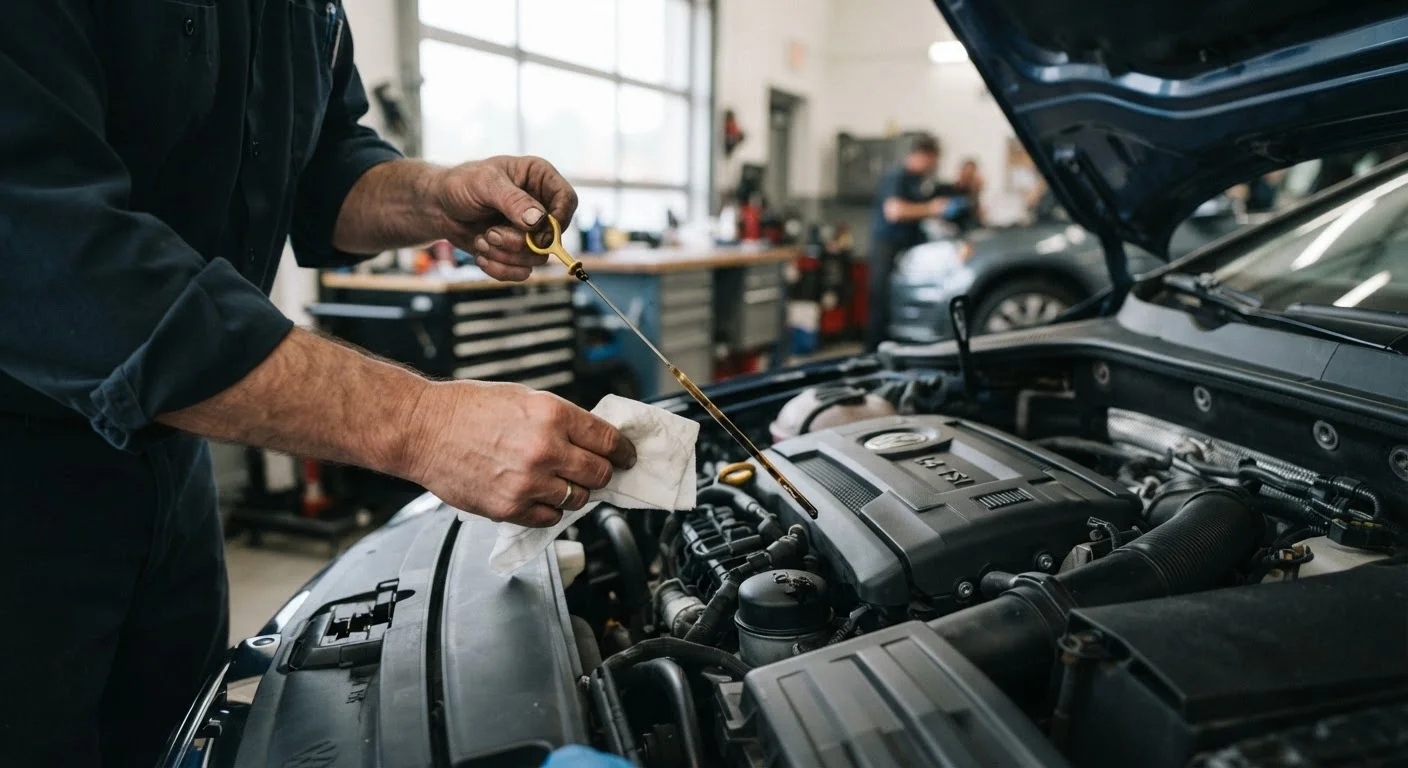
Engine oil, coolant, brake fluid, power steering fluid, and windscreen washer fluid each serve critical functions. Low or degraded fluid is one of the most common causes of preventable mechanical failure. Monthly checks catch drops before they cause damage.
Check tyre pressure monthly using a gauge, not by eye
A tyre can be 10 PSI underinflated and still look visually fine. Under-inflation increases fuel consumption, degrades handling, and accelerates tread wear - all safety and cost concerns. The correct pressure is listed on a sticker inside the driver's door jamb, not on the tyre sidewall.
Inspect wiper blades and lights every three months
Wiper blades degrade from UV exposure and temperature changes, often without obvious visual signs. A blade that streaks in rain is a visibility hazard. Burnt-out lights are a legal issue as well as a safety one, and they're among the simplest repairs you can make.
Follow your owner's manual service intervals exactly
Manufacturer maintenance schedules are engineered around your specific vehicle's wear rates and tolerances. Stretching oil changes, ignoring air filter replacement, or delaying transmission service shortens component life in ways that aren't always obvious until something fails.
Keep a basic emergency kit in the vehicle at all times
A flat tyre, dead battery, or minor collision can happen to any driver regardless of how well they maintain their vehicle. Being prepared reduces risk during roadside stops and demonstrates responsible ownership.
Your Ears and Nose Are Diagnostic Tools
Modern cars are quieter than ever, which means any new sound or smell is meaningful. A squealing noise when braking typically signals worn brake pads - parts designed to make that noise so you'll act before metal grinds against metal. A sweet, syrupy smell near the engine often points to a coolant leak. A burning odour after driving may indicate an overheating issue or oil dripping onto hot components.
None of these require mechanical expertise to notice. They require only paying attention. If something sounds or smells different from your baseline experience of that car, have a qualified mechanic look at it promptly. Waiting to see if it goes away is how minor issues become major ones - a dynamic covered in more detail in our guide on why small repairs escalate into large bills.
Scheduling and Documentation
Your vehicle's owner's manual contains a maintenance schedule specific to your make and model - oil change intervals, transmission fluid checks, air filter replacements, and more. Many first-time owners never open it. Treat that schedule as a set of non-negotiable appointments rather than vague suggestions.
Keep a simple log - even a notes app on your phone - recording what was done, when, and at what mileage. This has two practical benefits: it prevents you from accidentally skipping a service, and it provides verifiable history that increases a vehicle's resale value. For a structured look at what happens during professional servicing, see what a mechanic actually checks during a routine service.
Seasonal checks are also worth scheduling in advance. Temperature extremes - both cold and heat - stress batteries, tyres, belts, and cooling systems in different ways. Our seasonal car checks guide walks through what to verify before each season shifts.
Your Owner's Manual Is Vehicle-Specific
Generic maintenance advice online is a useful starting point, but your owner's manual contains intervals and specifications engineered for your exact vehicle. Oil viscosity, tyre pressure, fluid types, and service intervals can differ significantly between models. When in doubt, the manual takes priority over general guidance. If you've bought a used car without a manual, the manufacturer's website or a dealership service department can usually provide the relevant schedule.