

Key Takeaways
Small Problems, Big Consequences
Cars are systems - and systems fail in chains. A small coolant leak doesn't stay small. It drops your coolant level, raises engine temperature, and eventually warps a cylinder head. What started as a $15 gasket repair becomes a $1,500 head gasket job. This pattern repeats across dozens of vehicle components, and it catches new drivers off guard because the connection between a minor symptom and a major failure isn't always obvious.
Understanding how minor issues escalate is one of the most valuable things a first-time car owner can learn. The Car Ownership Basics hub covers the broader responsibilities of owning a vehicle - but this article focuses on the specific mistakes that turn manageable maintenance into serious repair bills.
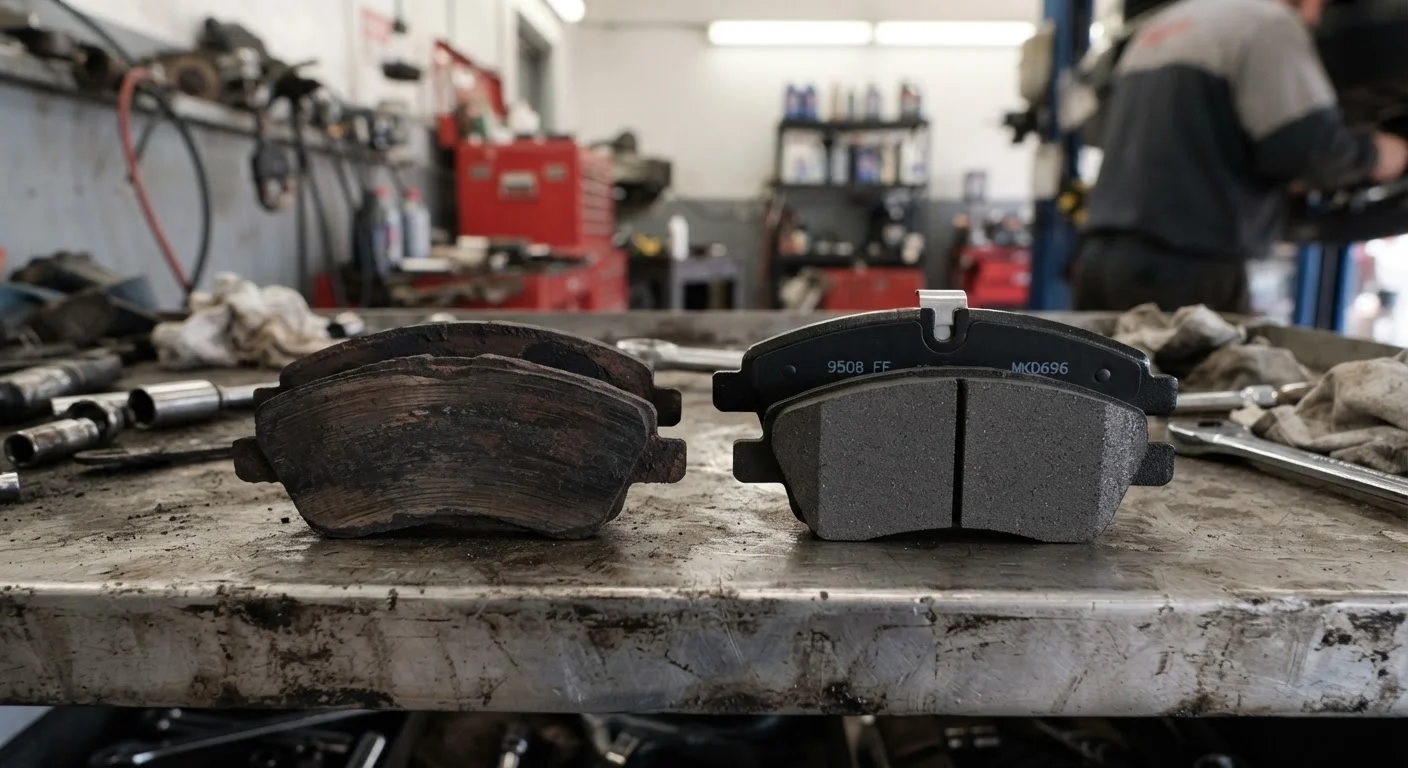
Ignoring a squealing or grinding noise from the brakes.
Why it happens: Brake noise often comes and goes, especially in wet weather, so drivers assume it's harmless and will resolve on its own.
Letting a small coolant or oil leak go unaddressed.
Why it happens: A small stain in the driveway or a slow fluid drop can seem cosmetically minor, especially if the dashboard doesn't flag a warning immediately.
Skipping a cracked or fraying serpentine belt until it breaks.
Why it happens: Belts are out of sight under the hood, and because they degrade gradually, drivers rarely notice until failure. Many people don't know what a belt in good condition looks like.
Driving on significantly underinflated tires.
Why it happens: Tire pressure drops gradually with temperature changes and normal permeation, and tires rarely look visibly flat until pressure is very low.
Dismissing a check engine light as a minor sensor issue.
Why it happens: Check engine lights cover a wide range of fault codes, and since cars often continue running normally, drivers rationalize waiting.
Why the Pattern Is So Common
Most deferred repairs aren't the result of carelessness - they're the result of misreading risk. When a warning light comes on but the car keeps running normally, it's easy to assume the issue isn't urgent. When a noise only appears occasionally, it's tempting to wait and see if it gets worse. These are rational short-term responses that carry long-term costs.
$0.09/mile
Average vehicle maintenance cost per mile
AAA's annual driving cost studies consistently estimate routine maintenance at roughly $0.09 per mile - a fraction of what major unplanned repairs cost.
~35%
Vehicles with at least one underinflated tire
The National Highway Traffic Safety Administration has estimated that roughly one in three vehicles on US roads has at least one significantly underinflated tire at any given time.
The fix is to build a consistent inspection habit rather than relying on visible symptoms alone. Preventive maintenance habits - checking fluid levels, monitoring tire pressure, listening for changes - catch most developing problems while they're still inexpensive. The same logic applies beyond cars: the evidence on preventive maintenance consistently shows that routine upkeep costs a fraction of reactive repair.
Never Ignore a Temperature Gauge Spike
If your engine temperature gauge climbs toward the red zone, pull over safely as soon as possible and turn off the engine. Continuing to drive an overheating engine - even for a few miles - can warp cylinder heads or seize the engine entirely, turning a coolant issue into a repair costing thousands of dollars. Let the engine cool completely before checking coolant levels, and have the cooling system inspected before driving further.