

Key Takeaways
Significantly lower average repair costs over time
Routine servicing prevents small issues from becoming structural failures. A $150 annual HVAC tune-up, for example, can prevent a compressor replacement that often exceeds $1,500.
Extends the working life of major systems
Water heaters flushed annually shed mineral buildup that degrades the tank lining; properly maintained units commonly last several years longer than neglected ones.
Improves energy efficiency and lowers utility bills
Dirty filters, leaky ducts, and degraded door seals force systems to work harder. Sealing air leaks and changing filters regularly can meaningfully reduce heating and cooling costs.
Reduces risk of dangerous failures
Blocked dryer vents are a leading cause of residential fires. Testing smoke and carbon monoxide detectors on schedule ensures they function when needed most.
Preserves property value
Homes with documented maintenance histories tend to perform better during buyer inspections and appraisals, since deferred maintenance is a common trigger for renegotiated sale prices.
Creates predictable, budgetable expenses
Scheduled maintenance costs are knowable in advance; emergency repairs are not. Planning for PM smooths out cash flow and eliminates financial surprises.
Upfront time and effort required consistently
PM only works if it's actually done. Maintaining a seasonal schedule takes discipline, and busy periods make it easy to postpone tasks until they become urgent.
Some tasks require professional expertise or permits
Electrical panel inspections, gas line checks, and certain roofing work must be handled by licensed professionals - adding cost and scheduling complexity beyond DIY tasks.
Cannot prevent all failures
Some components fail unexpectedly regardless of maintenance history. PM reduces risk substantially but does not eliminate it; an emergency fund remains important alongside any maintenance budget.
Learning curve for first-time homeowners
Knowing what to check, how often, and what normal looks like takes time to learn. Mistakes - over-tightening fittings, using incorrect lubricants - can sometimes cause the very problems PM is meant to prevent.
Recurring costs add up on a tight budget
Filter replacements, annual service contracts, and professional inspections represent real recurring expenses. Prioritizing the highest-risk tasks is important when budget is limited.
Our Verdict
Preventive maintenance requires upfront time and modest recurring costs, but the evidence consistently shows it prevents far larger unplanned expenses. The main trade-off is discipline: the benefits only materialize when tasks are done consistently, not sporadically. For most homeowners and renters, a simple seasonal checklist converts an abstract good intention into a reliable, money-saving habit.
Anyone who owns or rents a home and wants to avoid surprise repair bills - especially first-time homeowners building their maintenance literacy from the ground up.
What Preventive Maintenance Actually Means
Preventive maintenance (PM) means servicing systems and components on a scheduled basis - before they show signs of failure - rather than waiting until something breaks. Think of it as the difference between changing a furnace filter every three months versus replacing a seized blower motor after the heat stops working in January.
In a home context, PM covers a broad range of tasks: cleaning dryer vents, flushing water heaters, caulking around windows, testing smoke detectors, and inspecting roofing after storms. The common thread is timing - acting on a schedule rather than reacting to symptoms. This same principle applies beyond the home; your car's maintenance intervals follow identical logic and are worth understanding alongside your home routines.
Renters Aren't Off the Hook
Even if your landlord handles major systems, renters are typically responsible for tasks like replacing HVAC filters, testing smoke detector batteries, and keeping drains clear. Review your lease to understand which maintenance duties fall to you - overlooking them can result in charges when you move out or contribute to hazardous living conditions.
The Real Cost of Doing Nothing
The financial case for PM becomes clear when you compare typical costs. A clogged gutter that goes uncleaned can direct water against a home's fascia board and foundation; the gutter cleaning might cost an afternoon of your time, while water damage repairs routinely run into thousands of dollars. A dryer vent clogged with lint is both a fire risk and an efficiency drain - a $20 cleaning brush addresses what could become a house fire or a prematurely burned-out appliance motor.
Deferred maintenance also tends to compound. One small failure stresses adjacent components, which then fail in turn. Why skipping small repairs turns into large bills illustrates this cascade effect clearly: the pattern holds whether you're talking about a vehicle or a home's HVAC system.
1:4
Estimated PM-to-repair cost ratio
Facilities management research commonly estimates that each dollar spent on preventive maintenance avoids roughly four dollars in reactive repair costs, though ratios vary by system and condition.
2,900+
Annual U.S. home fires from dryer vents
According to the U.S. Fire Administration, failure to clean dryer vents is the leading cause of dryer fires, making vent cleaning one of the highest-value preventive tasks.
Pros of Preventive Maintenance
Understanding the advantages helps motivate consistent follow-through, especially when a task feels unnecessary because nothing has broken yet.
Significantly lower average repair costs over time
Routine servicing prevents small issues from becoming structural failures. A $150 annual HVAC tune-up, for example, can prevent a compressor replacement that often exceeds $1,500.
Extends the working life of major systems
Water heaters flushed annually shed mineral buildup that degrades the tank lining; properly maintained units commonly last several years longer than neglected ones.
Improves energy efficiency and lowers utility bills
Dirty filters, leaky ducts, and degraded door seals force systems to work harder. Sealing air leaks and changing filters regularly can meaningfully reduce heating and cooling costs.
Reduces risk of dangerous failures
Blocked dryer vents are a leading cause of residential fires. Testing smoke and carbon monoxide detectors on schedule ensures they function when needed most.
Preserves property value
Homes with documented maintenance histories tend to perform better during buyer inspections and appraisals, since deferred maintenance is a common trigger for renegotiated sale prices.
Creates predictable, budgetable expenses
Scheduled maintenance costs are knowable in advance; emergency repairs are not. Planning for PM smooths out cash flow and eliminates financial surprises.
Cons and Honest Limitations
Preventive maintenance is not a perfect system. Knowing where it falls short helps you plan more realistically.
Upfront time and effort required consistently
PM only works if it's actually done. Maintaining a seasonal schedule takes discipline, and busy periods make it easy to postpone tasks until they become urgent.
Some tasks require professional expertise or permits
Electrical panel inspections, gas line checks, and certain roofing work must be handled by licensed professionals - adding cost and scheduling complexity beyond DIY tasks.
Cannot prevent all failures
Some components fail unexpectedly regardless of maintenance history. PM reduces risk substantially but does not eliminate it; an emergency fund remains important alongside any maintenance budget.
Learning curve for first-time homeowners
Knowing what to check, how often, and what normal looks like takes time to learn. Mistakes - over-tightening fittings, using incorrect lubricants - can sometimes cause the very problems PM is meant to prevent.
Recurring costs add up on a tight budget
Filter replacements, annual service contracts, and professional inspections represent real recurring expenses. Prioritizing the highest-risk tasks is important when budget is limited.
Building a Habit That Actually Sticks
The most common reason PM fails is not cost - it's forgetting. Seasonal scheduling is the most reliable fix. Divide tasks into four quarters: spring (HVAC service, gutter clearing, exterior caulk inspection), summer (window and door seals, deck or patio condition), fall (heating system check, weatherstripping, roof inspection), and winter (pipe insulation, detector battery replacement, water heater flush).
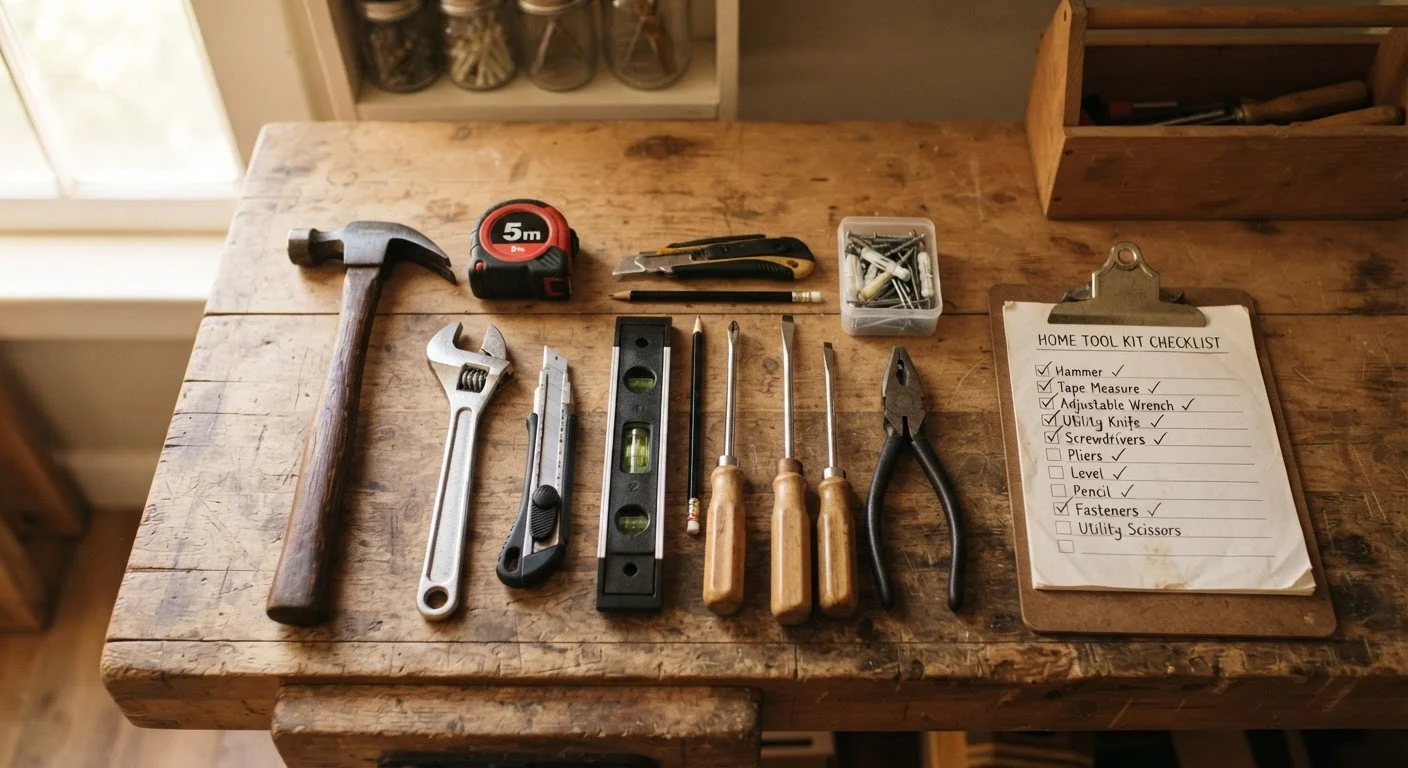
A physical or digital checklist, reviewed at the start of each season, converts vague intentions into trackable actions. For deeper habit-building guidance, home maintenance habits that prevent the most expensive problems walks through the highest-impact routines in practical detail. Similarly, preventive habits worth building early shows how the same scheduling mindset applies to vehicle ownership.
Start small if the full list feels overwhelming. Picking three high-risk tasks - dryer vent, smoke detectors, HVAC filter - and doing them consistently delivers more value than an ambitious checklist that never gets completed.