

Key Takeaways
Why Myths About Car Ownership Keep Costing Drivers
Most people learn about cars from whoever taught them to drive - a parent, older sibling, or friend. That informal handoff is where a lot of outdated or simply wrong information gets passed down as fact. For young drivers trying to keep costs under control, acting on bad advice can mean unnecessary fuel expenses, avoidable repair bills, or gaps in insurance coverage when it matters most.
The myths below are among the most widespread and financially damaging. Each one is corrected with what current evidence and manufacturer guidance actually shows. For a broader look at how these costs stack up month to month, see everything that goes into the annual cost of running a car.
Myth
My car runs better on premium fuel, so it's worth paying extra even if the manual says regular.
Fact
If your vehicle's manufacturer specifies regular unleaded, premium fuel delivers no measurable performance or efficiency benefit.
Engine knock sensors in modern vehicles are calibrated for the fuel grade the manufacturer recommends. Using a higher octane than required doesn't improve combustion - it just costs more at the pump. Check the inside of your fuel door or owner's manual: if it says "regular unleaded recommended," save the difference. Premium is only worth paying when the manual says "required."
Myth
You need to warm up your car by letting it idle for several minutes before driving, especially in winter.
Fact
Modern fuel-injected engines reach operating temperature faster by being driven gently than by sitting idle.
This advice made sense for carbureted engines common before the 1980s. Today's fuel-injection systems don't need extended warm-up time. Idling for more than 30-60 seconds in most conditions wastes fuel, contributes to engine wear, and in enclosed spaces can create dangerous carbon monoxide buildup. In cold weather, a brief idle of about 30 seconds is sufficient - then drive gently until the temperature gauge rises.
Myth
Oil changes every 3,000 miles is the rule - going longer between changes damages the engine.
Fact
Most modern vehicles and synthetic oils support intervals of 5,000 to 10,000 miles or more - always follow your owner's manual.
The 3,000-mile interval was appropriate for older engine designs and conventional oil formulations. It's now widely considered outdated by automotive engineers and many state consumer protection agencies. Changing oil more frequently than your manufacturer recommends doesn't protect your engine - it wastes money and generates unnecessary waste oil. The correct interval is in your owner's manual, and it varies by vehicle and oil type. For a detailed look at oil type trade-offs, see conventional vs. synthetic motor oil.
Myth
New tires should always go on the front axle because that's where steering happens.
Fact
Tire safety guidelines consistently recommend mounting the two best tires on the rear axle, regardless of whether the car is front- or rear-wheel drive.
Rear tire failure tends to cause oversteer - a loss of control that most drivers struggle to correct. Front tire failure, while serious, is generally easier to manage. Placing the best-condition tires at the rear reduces the risk of the more dangerous scenario. This recommendation applies to all standard passenger vehicles and comes from tire industry safety guidance.
Myth
Washing your car is purely cosmetic - it makes no real difference to the vehicle's condition or value.
Fact
Regular washing removes road salt, brake dust, and contaminants that accelerate corrosion on both the paint and undercarriage.
Rust is one of the most expensive repair categories for used vehicles. Road salt used in winter states is particularly corrosive to exposed metal underneath the car. Washing - including the underside - removes these materials before they can cause structural or cosmetic damage. Maintaining paintwork also directly affects resale value, which is a significant financial consideration over the life of the vehicle.
Myth
Full coverage insurance means I'm covered for everything, with nothing to pay out of pocket.
Fact
"Full coverage" is an informal term - every policy has a deductible, exclusions, and coverage limits that the driver is responsible for understanding.
There is no standardized policy called "full coverage" in the US insurance market. The phrase typically refers to a combination of liability, collision, and comprehensive coverage - but the specifics vary by insurer and policy. Your deductible (the amount you pay before insurance kicks in) can range from a few hundred to over a thousand dollars. Gaps in coverage can be financially devastating. Reading your declarations page and understanding your actual terms is essential - not optional.
The Hidden Financial Damage of Getting It Wrong
Individually, each myth on this list might seem like a minor misstep. In practice, they compound. Overpaying at the pump, missing oil changes, and carrying the wrong insurance coverage can collectively add hundreds of dollars annually to what car ownership costs you.
$1,000+
Estimated annual cost of unnecessary premium fuel
Based on fueling a typical sedan weekly at a $0.30-$0.50 premium-per-gallon differential when regular is the recommended grade.
5,000-10,000 mi
Typical modern oil change interval
Most current manufacturer recommendations fall in this range for full synthetic oil, compared to the outdated 3,000-mile guidance still repeated informally.
~20%
Average first-year vehicle depreciation
Industry data broadly indicates new cars lose roughly 15-25% of their value in the first year, making it the steepest single cost of ownership.
Depreciation is another area where misconceptions do real damage. Many first-time buyers focus entirely on monthly payments and overlook how quickly a vehicle loses value - especially in the first year. Our piece on why your car loses value the moment you drive it away explains how that works and what it means for your finances.
Understanding your car insurance policy in detail is equally important - coverage terms matter most in the moments you least expect to need them. And for those curious about how maintenance habits differ across fuel types, running costs vary significantly by car type.
Always Read Your Owner's Manual First
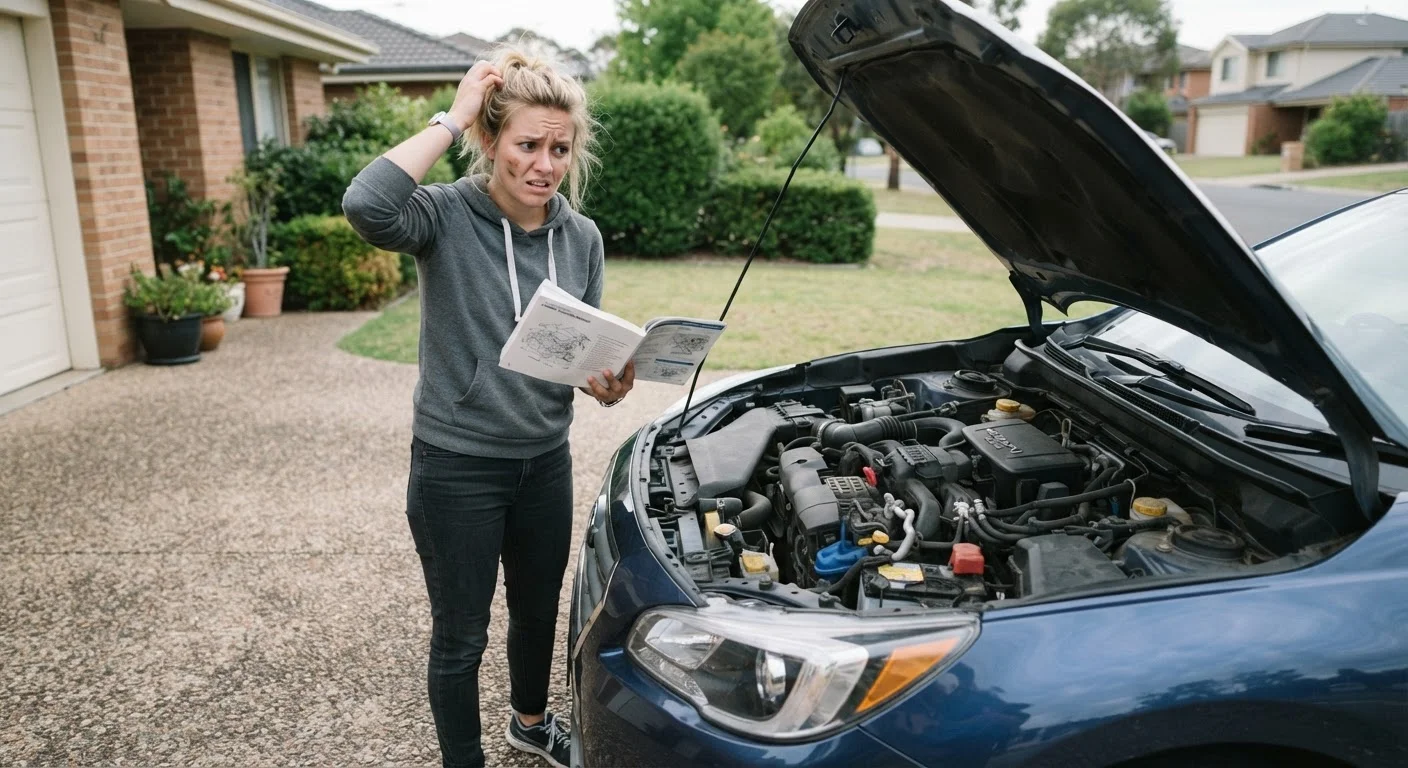
Your vehicle's owner's manual is the single most authoritative source for fuel grade, oil type, service intervals, and tire specifications. Generic advice - even well-intentioned advice from experienced drivers - may not apply to your specific vehicle. Treating the manual as optional is one of the most common and costly mistakes new owners make.