

Key Takeaways
Option A
Fixed Service Schedule
The predictable, calendar-driven approach.
Best for: Drivers who want a simple, set-it-and-remember-it maintenance routine regardless of driving habits.
Option B
Variable Service Schedule
The adaptive, usage-based approach.
Best for: Drivers who want service intervals that respond to how and how much they actually drive.
If you drive a straightforward daily commute and want zero guesswork
Fixed Service Schedule
A predictable annual or mileage-based interval makes it easy to budget and plan without relying on dashboard alerts.
If your driving habits vary significantly week to week
Variable Service Schedule
An adaptive system accounts for actual engine stress and oil degradation, so you're not servicing unnecessarily or waiting too long.
If you own an older vehicle without onboard diagnostics
Fixed Service Schedule
Older cars lack the sensors needed for variable monitoring, so fixed intervals are the only reliable option.
If you want to minimize unnecessary servicing costs as a low-mileage driver
Variable Service Schedule
Variable systems can extend intervals beyond a standard 12 months if your engine data supports it, potentially reducing annual spend.
What Each Schedule Actually Means
A fixed service schedule works exactly as it sounds: your car is due for service after a specific amount of time or mileage - whichever comes first. Common intervals in the US are every 12 months or every 5,000 to 7,500 miles for older vehicles, though newer cars with full synthetic oil often stretch to 10,000 miles. The schedule doesn't change based on how you drive. It's the same regardless of whether you've been highway cruising or stop-and-go city driving.
A variable service schedule - sometimes called a condition-based or flexible service schedule - uses sensors and onboard software to monitor the actual state of your engine, oil, and other key systems. Rather than counting miles or months, the car's computer tracks factors like engine temperature cycles, oil viscosity degradation, fuel consumption patterns, and driving intensity. When the system determines a service is needed, a warning light or message appears on your dashboard. For more on what that service actually involves, see what a mechanic checks during a routine service.
| Criterion | Fixed Schedule | Variable Schedule |
|---|---|---|
| Interval basis | Time or mileage (e.g., 12 months / 7,500 mi) | Engine and oil condition data |
| Requires onboard sensors | No | Yes |
| Predictability for budgeting | High - same schedule every cycle | Moderate - intervals vary by usage |
| Best for high-mileage drivers | Yes - interval triggers quickly | Yes - system adapts to engine stress |
| Best for low-mileage drivers | May over-service (annual trigger still applies) | Can extend intervals if oil data allows |
| Common in vehicles from | Pre-2005 and many economy models | Many post-2005 modern vehicles |
| Driver action required | Track calendar or odometer manually | Monitor dashboard service alert |
How Each Schedule Affects Your Costs
Cost impact is where the distinction gets practical. With a fixed schedule, servicing costs are easier to predict - you can set a calendar reminder and budget for it the same way you'd handle a recurring bill. If you're already thinking in terms of predictable versus unpredictable expenses, the fixed vs. variable expense framework maps usefully here.
Variable schedules can generate real savings for low-mileage drivers. If your engine data shows oil is still performing well, the system may push an interval from 10,000 miles to 12,000 or beyond. But the opposite is also true: if you regularly tow, idle in traffic, or take frequent short trips that don't fully warm the engine, a variable system may flag a service earlier than a fixed schedule would. Short cold-start trips are particularly hard on oil because the engine never reaches full operating temperature, preventing moisture from burning off.
~40%
Engine wear occurring at cold-start
Engineering research widely cited in automotive literature suggests a significant share of engine wear occurs during cold starts before oil fully circulates - a factor variable systems are designed to account for.
5,000-10,000 mi
Typical US oil change interval range
The American Automobile Association (AAA) notes that recommended oil change intervals now vary widely depending on vehicle age, oil type, and driving conditions.
The bottom line: neither schedule is universally cheaper. Your actual driving profile determines which works in your favour. For a fuller picture of how service costs differ by vehicle type, see running costs by car type.
Which Schedule Does Your Car Use - and What Should You Do?
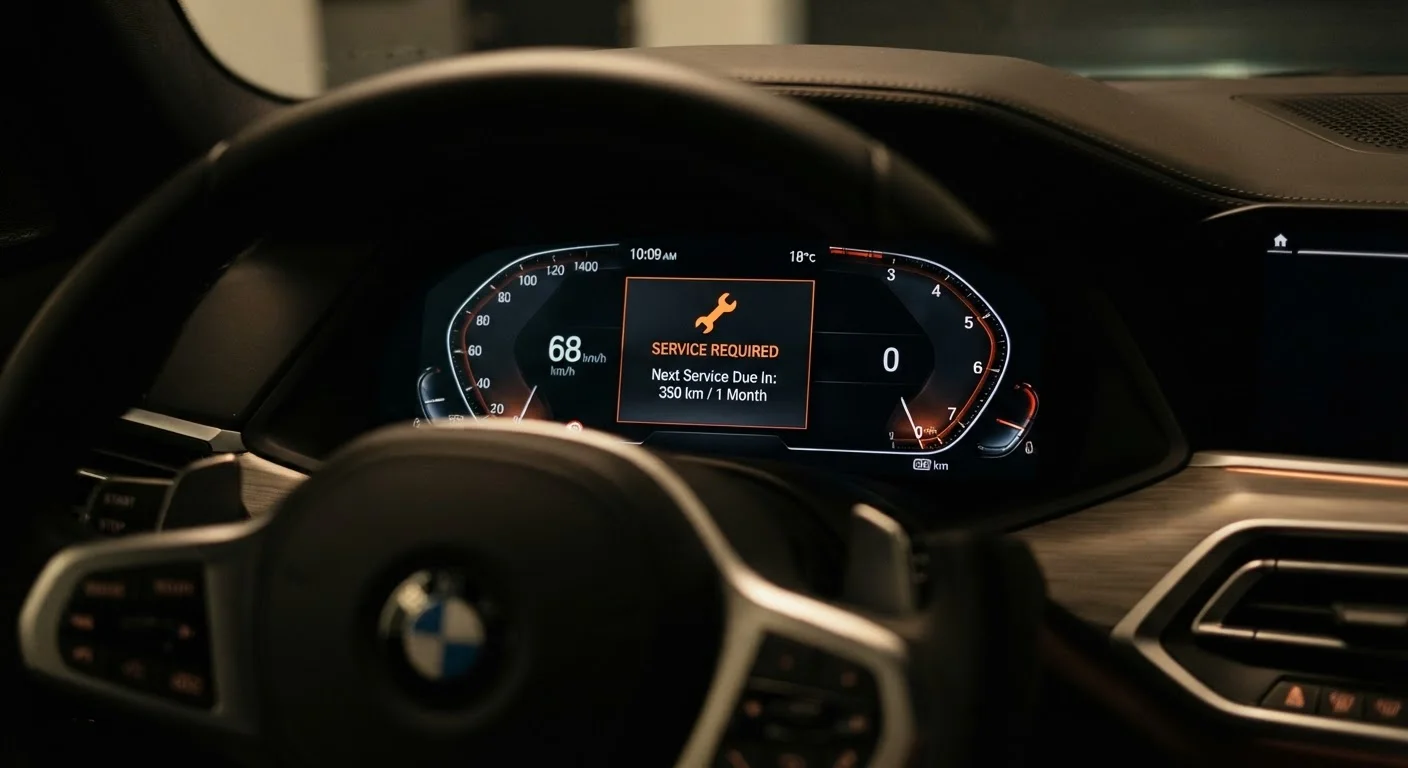
Most vehicles manufactured before the mid-2000s use fixed schedules. Many modern vehicles - particularly those from European and Japanese manufacturers - now come with variable systems built in. The clearest way to confirm which applies to your car is to check the owner's manual under the maintenance or service section. Your dashboard warning lights (often labelled "Service Due," "Oil Life," or a wrench icon) are also a reliable indicator of a variable system.
Whichever schedule your car uses, the core rule is the same: don't ignore it. Consistently delaying service - even by a few thousand miles - allows engine oil to break down, leading to increased friction and wear on components that are expensive to replace. Understanding your car's maintenance schedule in detail can help you avoid that trap.
If you're unsure whether a task is something you can handle yourself or needs a shop, this guide on DIY versus garage maintenance draws a practical line. And for building habits that keep costs down long-term, preventive maintenance habits worth starting early is a useful next step.