

Key Takeaways
The Gap Between 'Cheap' and 'Good Value'
Budget travel is one of the most empowering skills a young adult can develop - but there's a meaningful difference between spending less and spending smart. The pursuit of the lowest possible price at every booking step can quietly assemble a trip that costs more, delivers less, and generates stress that no amount of savings justifies.
The mistakes below aren't rare. They show up consistently among first-time and returning travelers alike, usually because each decision seems reasonable in isolation. Taken together, they reveal a pattern: cheap trips often become expensive trips not because travel is inherently costly, but because the real costs were never fully accounted for in the first place.
Whether you're weighing slow travel versus multi-destination trips or trying to make sense of how travel timing affects cost, the starting point is the same: understanding where the hidden costs live.
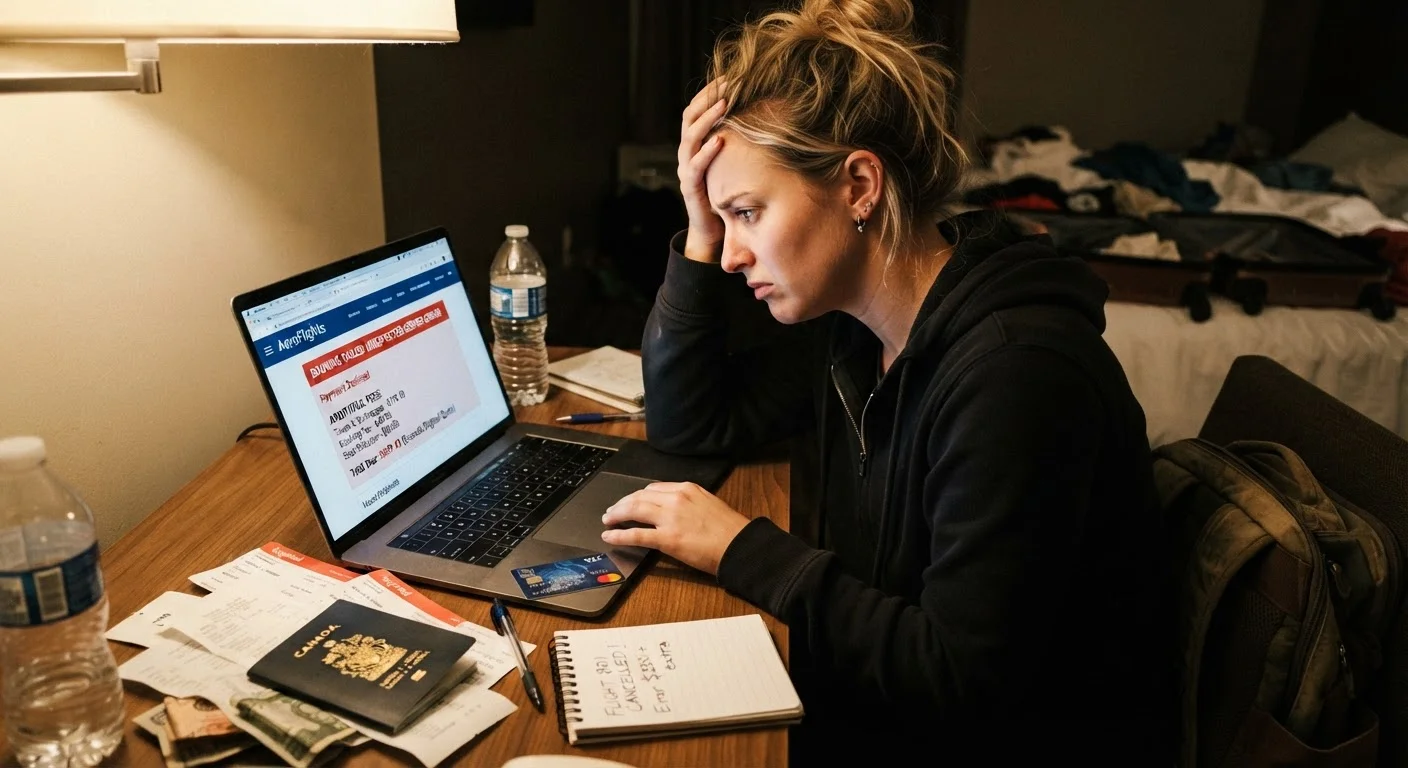
Booking non-refundable flights and hotels too far in advance without a flexible plan.
Why it happens: Locking in a low price months ahead feels financially responsible, and early fares genuinely can be lower. But plans shift, and non-refundable bookings offer zero cushion when they do.
Ignoring hidden fees that turn a cheap fare or rate into a full-price booking.
Why it happens: Booking platforms lead with the lowest possible headline number, and travelers naturally compare on that number rather than the all-in total.
Skipping travel insurance to save money on upfront costs.
Why it happens: Insurance feels abstract - you're paying for something you hope not to use. When budgets are tight, it's the line item that gets cut first.
Dramatically underestimating daily spending once on the ground.
Why it happens: Most trip budgeting focuses on flights and accommodation - the big, visible numbers. Food, local transport, activity fees, and currency conversion costs rarely feature in early calculations.
Choosing an accommodation type based solely on nightly rate without considering location trade-offs.
Why it happens: A property 45 minutes from the city center might cost half as much per night, which looks like savings on paper - until you're paying for transport multiple times a day.
Building a Budget That Actually Holds
The antidote to cheap-trip creep isn't spending more - it's planning more completely. A realistic budget captures every layer of cost before you commit to anything. That means flights and baggage fees, accommodation and transport to it, and a daily spending estimate grounded in actual research rather than optimism.
~30%
Travelers who encounter unexpected trip costs
Industry surveys consistently find that a large share of travelers report spending significantly more than their original budget due to unplanned fees and expenses.
$50-$200+
Typical airline ancillary fees per round trip
Checked baggage, seat selection, and change fees routinely add this range to what appeared to be a low base fare, according to airline fee disclosures.
Thinking carefully about your itinerary structure matters too. Overpacked schedules often drive unplanned spending: rushed travelers pay for taxis instead of walking, grab convenience-priced food, and buy last-minute entries to attractions they didn't budget for. Slowing the pace can be one of the most effective cost controls available.
If you're ready to stress-test your planning before anything is booked, the Trip Planning Basics hub is a structured place to start. And when you're ready to put numbers to your plans, solid everyday budgeting habits translate directly into more consistent travel savings over time.
The goal isn't to spend the least - it's to spend confidently, knowing every dollar is working toward an experience worth having.
No Insurance Can Mean Financial Disaster
A single medical evacuation abroad can cost tens of thousands of dollars - a figure that far exceeds most travelers' entire trip budgets. Skipping travel insurance to trim upfront costs is one of the highest-risk decisions you can make. Before every international trip, review what coverage is relevant to your destination and health situation. See our guide to travel insurance on a budget for what to look for.