

Key Takeaways
Shoulder Season
Shoulder season refers to the travel period that falls between a destination's peak tourist season and its off-peak (or low) season. It typically offers a middle ground of conditions: fewer crowds than peak, better weather than off-peak, and often lower prices across flights and accommodations. Every destination has its own shoulder window - it's not a universal calendar date.
In travel industry terminology, shoulder season is defined relative to a specific destination's demand curve, which means the same calendar month can simultaneously be peak season in one location and shoulder season in another.
More Than Just a Pricing Term
If you've stumbled across the phrase "shoulder season" while researching a trip, you might assume it's shorthand for "cheaper flights." And while costs do often drop during shoulder periods, that framing undersells what's actually going on - and why it matters so much to how a trip actually feels.
Shoulder season describes the transitional window between a destination's high season (peak demand, peak crowds, peak prices) and its low season (quieter, but often for a reason). It's not a marketing label - it reflects genuine shifts in weather patterns, visitor volume, and the rhythm of local life. Understanding it helps you make smarter decisions about when to go, not just how much to spend.
For a fuller picture of how peak, shoulder, and off-peak seasons interact, see our guide to understanding travel seasons.
30-50%
Typical hotel rate reduction vs. peak season
Travel industry analysts broadly observe that shoulder season accommodation rates often run 30-50% below peak highs, though this varies widely by destination and property type.
2-4 weeks
Average length of a shoulder window
Most destination-specific shoulder seasons span roughly two to four weeks on either side of peak, though some last longer depending on local climate patterns.
60%+
US travelers citing crowds as a top complaint
Surveys of American travelers consistently find that overcrowding is among the most common factors cited as reducing trip enjoyment at popular international destinations.
Why 'Shoulder Season' Isn't on a Universal Calendar
Here's the catch most new travelers miss: shoulder season is entirely destination-specific. The same week in October is peak foliage season in New England, shoulder season in coastal Portugal, and the start of high season in Southeast Asia. There is no single global shoulder window you can slot into your planner.
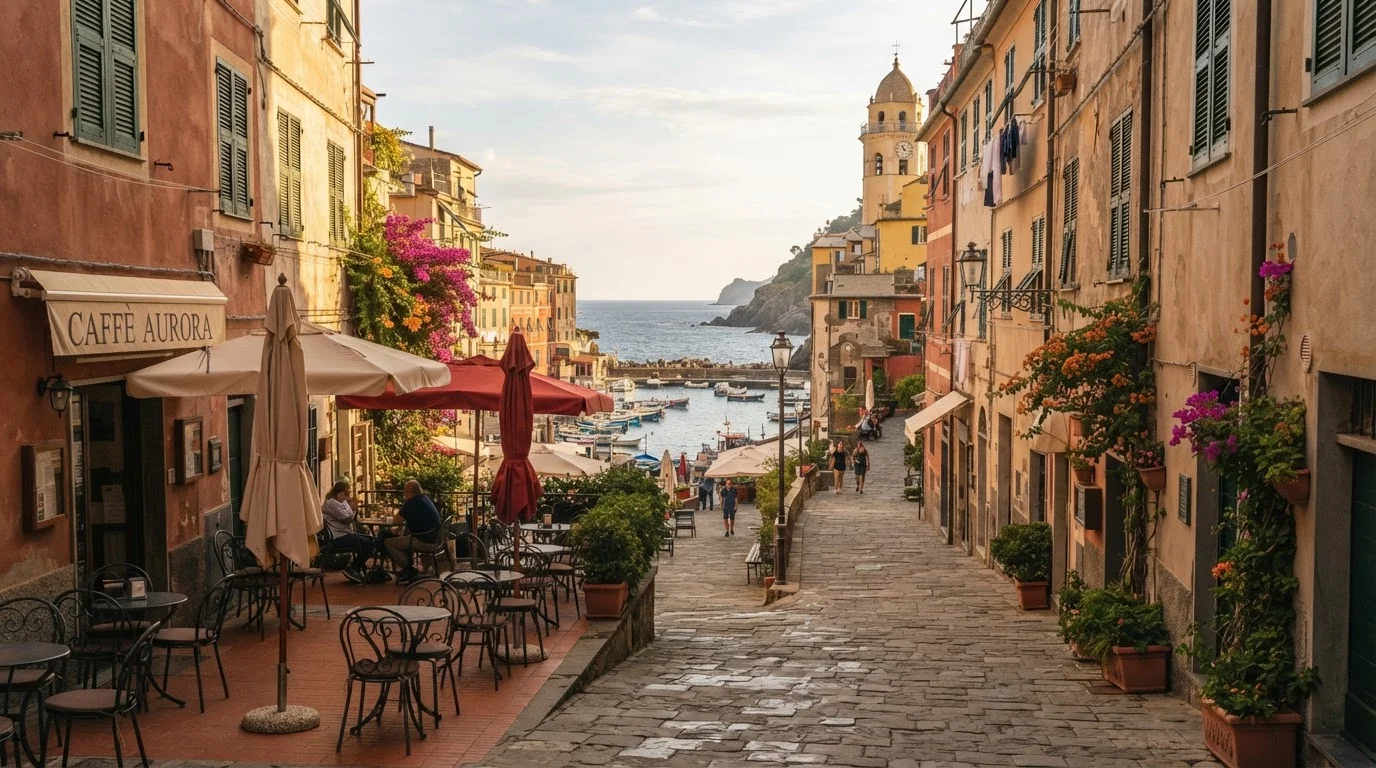
What defines a shoulder period is the relationship between visitor demand and local conditions at a particular place. When summer crowds thin out on the Amalfi Coast but the weather is still warm and sunny, that's shoulder season. When ski resorts open their lifts in late November before the holiday rush kicks in, that's shoulder season too.
Geography plays a bigger role than many travelers expect. Elevation, coastal position, and microclimates all influence what a destination's seasons actually feel like. Our article on the geography behind why some destinations feel so different up close explores this dynamic in depth.
What Actually Changes During Shoulder Season
Three things shift noticeably when a destination moves into its shoulder window, and none of them are just about price.
Crowd Dynamics
This is the most immediately felt change. Long queues at popular attractions shrink. Restaurants have open tables. Hotels aren't sold out weeks in advance. The energy shifts from transactional and rushed to relaxed and accessible. For destinations like Rome, Barcelona, or national parks in the American West, this alone can transform the experience.
Weather Variability
Shoulder season weather is genuinely less predictable. You might get golden, warm afternoons - or an unexpected rainstorm. This isn't a reason to avoid shoulder travel; it's just a reason to pack with flexibility in mind and check local forecasts closer to departure rather than locking in expectations months out.
Local Atmosphere
When tourist pressure eases, destinations often feel more like themselves. Staff at restaurants and hotels have more time for genuine interaction. Local events, markets, and cultural moments that peak-season crowds overshadow become easier to find and enjoy.
Research Operating Seasons Before You Book
Before committing to a shoulder-season trip, spend 20 minutes verifying that the specific attractions, tours, or restaurants you care about are actually open during your travel dates. Many destination tourism boards publish seasonal operating calendars. This step takes minutes and can save real disappointment.
The Trade-Offs Worth Knowing
Shoulder season isn't uniformly better than peak - it involves real trade-offs that vary by destination and traveler preference.
Some seasonal businesses - beachfront rentals, mountain tour operators, summer-only attractions - may be closed or running limited hours during shoulder windows. This is especially true in resort-dependent destinations where businesses calibrate staffing to peak volume. Researching operating seasons for specific activities you care about is time well spent.
Flights and accommodations may be less expensive on average, but that's not guaranteed. Local festivals, national holidays, or high-profile events can push prices back up within a shoulder period. Comparing actual fares rather than assuming savings is the move. For guidance on how to think about booking timing, our article on the logic behind booking flights early vs. waiting for deals breaks down that calculus.
It's also worth noting that cost-cutting in the wrong places - whether peak or shoulder - can backfire. Our piece on why cheap trips often end up costing more covers what to watch for when optimizing a travel budget.