

Key Takeaways
Geographic Microclimate
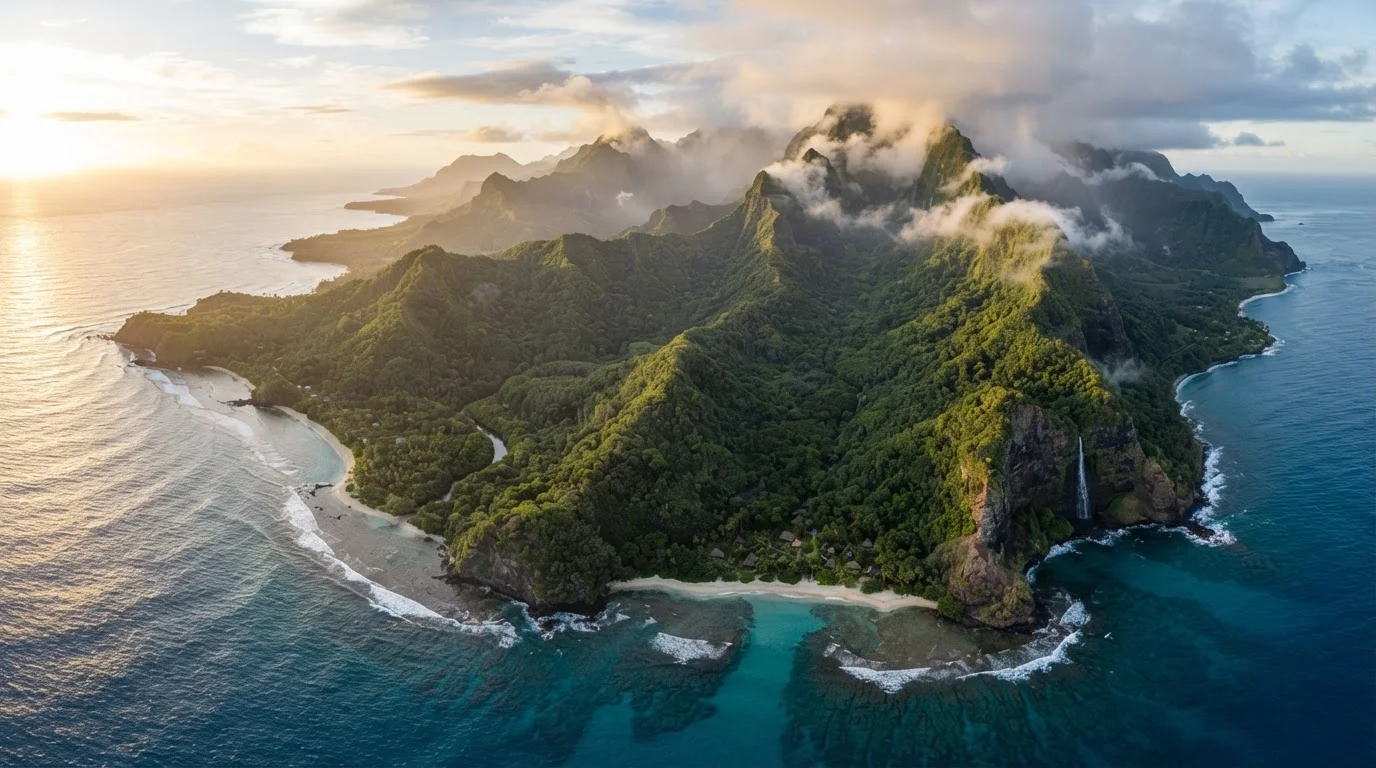
A microclimate is a localized atmospheric condition that differs noticeably from the surrounding region. On a single island or within one valley, temperature, humidity, rainfall, and wind can vary dramatically over short distances - sometimes within just a few miles. These variations are driven by elevation, terrain shape, coastal proximity, and prevailing winds.
In physical geography, microclimates are distinguished from regional climates by their spatial scale - typically less than one kilometer - and are heavily influenced by orographic lift, where moist air rises over terrain and cools, releasing precipitation on windward slopes while leaving leeward sides dry.
Why the Brochure and the Reality Diverge
Every traveler has felt it: you arrive somewhere that was sold as paradise and find something far more complicated - or occasionally, far better - than expected. The gap between expectation and experience is often rooted not in marketing spin but in geography that most trip-planning resources simply don't explain well.
Destinations are not uniform. A single island can contain dense rainforest, parched scrubland, and cool highland meadows - sometimes within a 30-minute drive. Understanding why requires only a basic grasp of physical geography, and it's a skill that pays off immediately when choosing where to go and what to pack. See our guide to common travel planning myths for more ways preconceptions lead travelers astray.
Geography Shapes More Than Weather
While climate and weather are the most obvious geographic influences on a travel experience, terrain also affects transportation networks, food production, architectural styles, and cultural development. A destination's physical landscape is foundational to nearly every aspect of what travelers encounter - from the food on the menu to how long it takes to get between neighborhoods.
Elevation: The Most Underestimated Variable
Latitude tells you how close a destination is to the equator. Elevation tells you how the air actually feels when you're standing there. These two factors work in opposite directions - and elevation wins surprisingly often.
Air temperature drops by roughly 3.5°F for every 1,000 feet gained in altitude. That means a city sitting at 8,000 feet in a tropical country - like many highland Central American capitals - can feel perpetually mild or even chilly while coastal towns just an hour's drive below bake in equatorial heat. Travelers who pack for the latitude rather than the elevation are the ones shivering through an unexpected evening.
This also affects activity planning. Higher elevations mean lower oxygen pressure, which matters for hiking, cycling, or any strenuous activity. Acclimatization timelines are real, and ignoring them can turn an exciting adventure into an exhausting slog.
~3.5°F
Temperature drop per 1,000 feet of elevation
This standard atmospheric lapse rate means a destination 5,000 feet above sea level can be 15-17°F cooler than a coastal town at the same latitude.
10x
Rainfall difference between windward and leeward slopes
On some volcanic islands, the windward side can receive ten times more annual rainfall than the leeward side, despite being just miles apart.
60+ miles
Distance where maritime effects begin to fade inland
Coastal temperature moderation generally diminishes within 50-100 miles of the coast, where continental weather patterns begin to dominate.
Windward, Leeward, and the Rain Shadow Effect
Mountains and hills don't just affect temperature - they redirect moisture, creating dramatically different conditions on each side. When moist air driven by prevailing winds hits a mountain range, it rises, cools, and releases rain. The windward side receives that rainfall reliably. The leeward side sits in what's called a rain shadow, where the same air arrives dry, and annual rainfall can be a fraction of what falls just miles away.
This is why two towns on opposite sides of a volcanic island can have genuinely different climates. The Caribbean is a clear example: islands with significant central peaks often have a lush, wet northeastern coast and a drier, sunnier southwestern coast. Travelers booking based on the island's general reputation - without knowing which side their resort is on - can end up with weather that surprises them completely.
Coastal Proximity and the Maritime Effect
Large bodies of water act as thermal moderators. They absorb heat slowly and release it slowly, which smooths out the temperature swings that inland areas experience. Coastal destinations tend to have milder, more consistent temperatures year-round, but also higher humidity and more frequent morning fog or low cloud cover.
An inland destination at the same latitude as a coastal one might have scorching summers and genuinely cold winters - while the coastal town just 60 miles away stays relatively temperate throughout. This maritime effect is why coastal California cities feel so different from the deserts just a few hours east, despite sharing the same latitude.
For travelers, this means coastal doesn't automatically mean warm, and inland doesn't automatically mean extreme - but both patterns are worth investigating before arrival. Pairing this knowledge with shoulder season timing can help you find ideal conditions without peak-season crowds.
Terrain Shape and the Traveler Experience Beyond Weather
Geography isn't only about climate. The shape of terrain determines how a destination functions day-to-day. A city built across multiple hills has neighborhoods that feel isolated from one another - distances that look short on a map become long, vertical journeys on foot. A destination surrounded by water may have wonderful coastal access but frustratingly limited overland transport.
Terrain also shapes culture and cuisine over centuries. Mountain communities develop differently from coastal ones; valley towns have different agricultural products, different architectural traditions, different rhythms. When travelers feel that a destination has a unique, hard-to-define energy, geography is often doing a lot of the quiet work behind that impression.
Before finalizing any destination, it's worth looking at a topographic map - not just a tourist map - to understand what the landscape actually looks like. Combined with smart destination research habits, this kind of geographic grounding helps travelers arrive with accurate expectations and genuine readiness. Also consider pairing geographic research with a safety landscape assessment - terrain affects risk patterns too.
Check the Specific Town, Not Just the Country
When researching weather and climate, always search for the specific town or region you'll visit - not just the country or island name. Climate databases like climate-data.org allow you to look up historical averages by municipality, giving you a far more accurate picture than generalized destination descriptions. A topographic map search takes less than five minutes and can completely change your packing list.