

| US passport validity (adult) | 10 years (US Department of State) |
| US passport validity (under 16) | 5 years (US Department of State) |
| Common minimum validity required abroad | 6 months beyond travel dates (Varies by destination; verify officially) |
| Renewal form (by mail, eligible applicants) | DS-82 (US Department of State) |
| Official US travel info source | travel.state.gov (US Department of State) |
| Official health guidance for travelers | wwwnc.cdc.gov/travel (US Centers for Disease Control and Prevention) |
Passport Basics: Validity, Renewals, and the Six-Month Rule
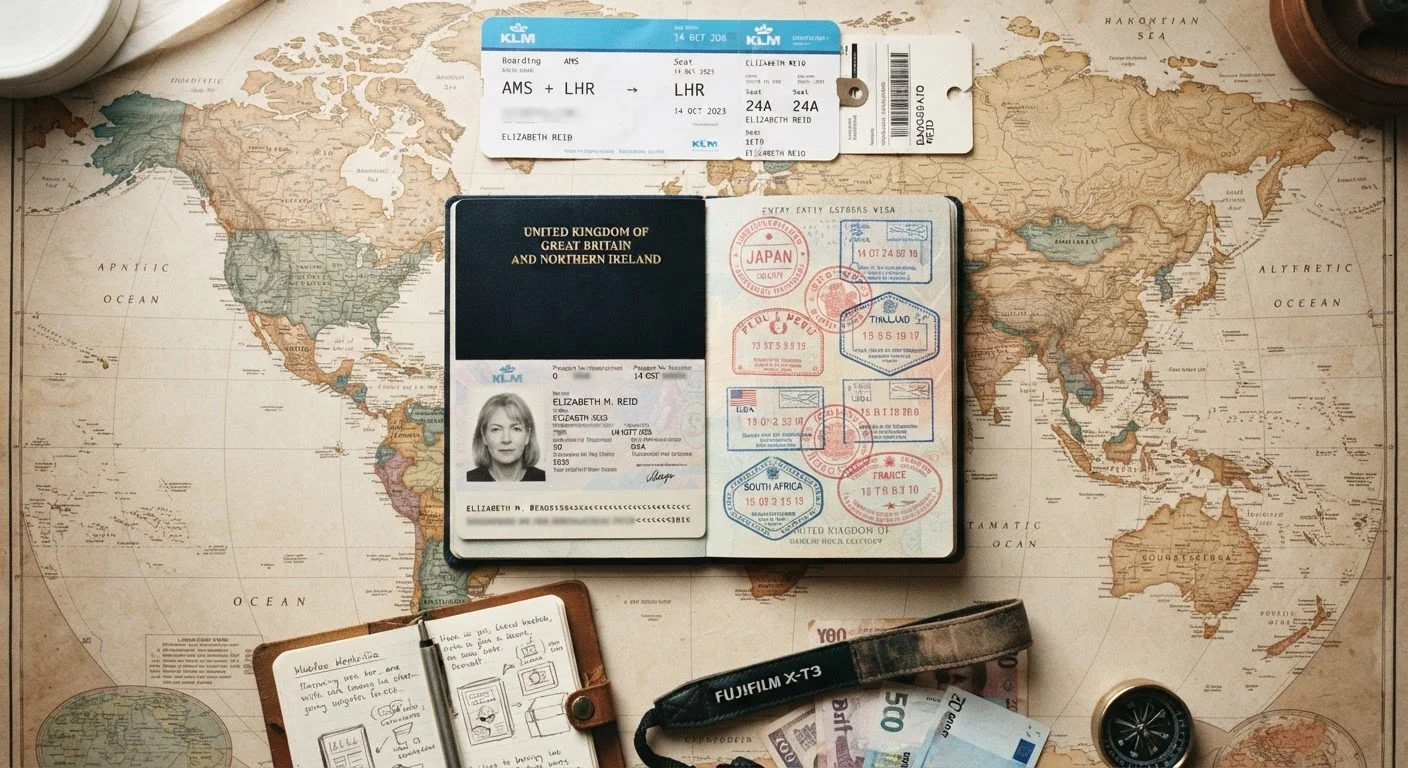
Your passport is more than an ID - it's your primary proof of citizenship abroad. Before booking any international trip, check two things: the expiration date and the number of blank pages remaining.
| US passport validity (adult) | 10 years (US Department of State) |
| US passport validity (under 16) | 5 years (US Department of State) |
| Common minimum validity required abroad | 6 months beyond travel dates (Varies by destination; verify officially) |
| Renewal form (by mail, eligible applicants) | DS-82 (US Department of State) |
| Official US travel info source | travel.state.gov (US Department of State) |
| Official health guidance for travelers | wwwnc.cdc.gov/travel (US Centers for Disease Control and Prevention) |
Many countries require your passport to be valid for at least six months beyond your planned departure date, not just your arrival date. This rule catches a surprising number of travelers off guard. If your passport expires in four months, you may be turned away at the border even if your trip is only two weeks long.
Blank pages matter too. Some countries require one or two blank pages for entry stamps or visas. If your passport is nearly full, renewing early is wise even if it hasn't expired. US citizens can renew passports by mail using Form DS-82 if the current passport is less than 15 years old and was issued after age 16. Standard processing generally takes several weeks; expedited processing is faster. Always verify current processing times directly with the US Department of State before applying.
If you're applying for your first US passport, allow considerably more lead time - appointments at a passport acceptance facility are required, and demand can vary significantly by season. Check the State Department's official website (travel.state.gov) for current timelines. Before your next trip, pair this with our pre-departure checklist to make sure every document is in order.
Visa Types and How They Work
A visa is official permission - granted by a destination country - to enter, transit, or stay for a defined purpose. Not every trip requires one, but understanding the categories helps you determine what applies to your itinerary.
Passport validity
The period during which a passport is legally recognized as a travel document. Many countries require validity to extend six months beyond your travel dates, not just through your return date.
Tourist visa
A government-issued authorization allowing a foreign national to enter a country for leisure or vacation purposes. It typically specifies a maximum length of stay and prohibits paid work.
Transit visa
Permission to pass through a country's territory - including its airports - without formally entering as a visitor. Some countries require this even for brief layovers.
E-visa
An electronically issued visa that travelers apply for online before arrival. Approval is usually linked to your passport number digitally, rather than stamped in the booklet.
Visa-on-arrival
A visa issued at the port of entry - such as an international airport - rather than in advance. Eligibility, fees, and documentation requirements vary by country and traveler nationality.
Visa-free access
An arrangement where citizens of one country may enter another without obtaining a visa, usually for short stays. The permitted duration and allowable activities are still governed by the destination country's rules.
Tourist or visitor visas are the most common for leisure travel. They are typically time-limited and prohibit paid work. Transit visas are required by some countries even if you're just passing through an airport - this surprises many travelers who assume a layover doesn't count as entry. Business visas cover professional activities like conferences or meetings but generally don't authorize local employment.
E-visas and visa-on-arrival options have expanded in recent years. Many countries now allow US passport holders to apply online in advance or obtain authorization upon arrival, sometimes for a fee. These processes vary widely: some take minutes, others require supporting documents uploaded days ahead. Never assume approval is automatic - confirm the current process on the destination country's official immigration website or your country's embassy page for that destination.
Visa-free access for US passport holders covers a significant number of countries, but the rules - including length of permitted stay and purpose restrictions - differ by destination. The US Department of State's country information pages are the authoritative source for this, and they're updated regularly. See destination guides for practical overviews of popular travel regions.
Where to Verify Official Entry Requirements
Entry rules - including health requirements, customs restrictions, and documentation - can change with little notice. Relying on travel blogs, social posts, or even well-meaning friends for this information is risky. Use official sources every time.
Always Verify Requirements Close to Departure
Entry rules can change due to policy shifts, health situations, or diplomatic changes - sometimes with very short notice. Even if you checked requirements when booking, verify again two to four weeks before you travel. The US Department of State country pages and the destination's official embassy site are your most reliable sources. Never rely solely on third-party travel forums or booking platforms for legal entry requirements.
For US travelers, the starting points are:
- US Department of State (travel.state.gov) - country-specific travel advisories, entry requirements, and passport/visa guidance
- The destination country's official embassy or consulate website - for the most current visa rules, fees, and documentation checklists
- The CDC Travelers' Health portal (wwwnc.cdc.gov/travel) - for vaccination recommendations and health notices by destination
Check all three sources when planning, and check again closer to your departure date. Entry rules can shift due to policy changes, public health situations, or diplomatic developments. Some destinations also require proof of onward travel (a return ticket), proof of sufficient funds, or travel health insurance as a condition of entry - details that aren't always prominently advertised.
Building solid research habits around destination requirements takes practice. Our article on smart habits experienced travellers use when researching a new destination covers exactly how to do this efficiently. And once your documents are sorted, organising documents, currencies, and contacts before departure ensures nothing slips through the cracks.
This article provides general travel information for educational purposes only. Entry requirements, visa rules, and processing times change frequently. Always verify requirements directly with official government and immigration sources before making travel arrangements.