

Key Takeaways
Why Tourist-Trap Restaurants Drain Budgets Fast
Restaurants near major landmarks, airports, and hotel districts share a common trait: they price for convenience, not value. A bowl of pasta steps from the Colosseum can run three to four times what the same dish costs six blocks away. Multiply that across a ten-day trip and the gap becomes serious. For travelers who want to stretch every dollar, understanding where the pricing pressure comes from is the first step to sidestepping it.
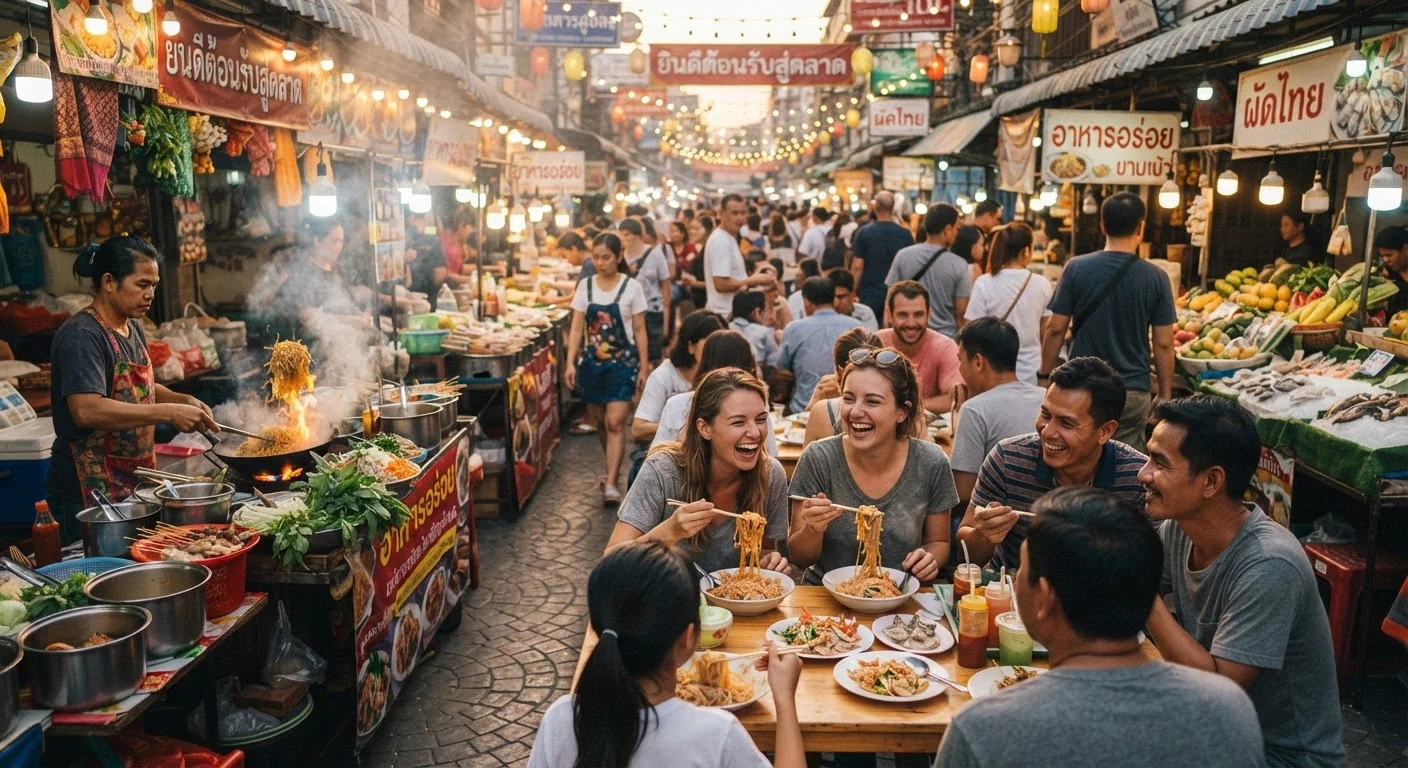
This isn't about eating poorly or skipping local culture - it's the opposite. The most memorable meals on any trip usually happen at a plastic-stool noodle cart, a covered municipal market, or a neighborhood lunch counter that doesn't bother with an English menu. These are the places locals return to daily, which means quality stays high and prices stay honest. For a broader foundation on managing daily spending while you're on the road, see the complete budget travel guide for first-timers.
Best Practices for Eating Well on a Travel Budget
The following approaches work across a wide range of destinations and travel styles. Adapt them to your specific context - culture, dietary needs, and health considerations all matter.
Prioritize markets and food halls over sit-down tourist restaurants
Covered markets and municipal food halls serve locals daily, which keeps vendors honest about both quality and price. Competition within a single space also works in the diner's favor. A mediocre stall simply doesn't survive when three excellent ones are nearby.
Order the set lunch (menú del día or equivalent) at mid-range restaurants
Many countries have a cultural tradition of an affordable fixed midday meal - often including a starter, main, bread, drink, and dessert - designed for working locals. This is frequently the best value a restaurant offers, and the quality matches or exceeds à la carte options.
Shop at supermarkets and produce markets for breakfast and snacks
Buying breakfast items, fruit, yogurt, and snacks from a local supermarket or produce market can cut daily food costs significantly. It also gives you a realistic sense of how locals actually eat day to day.
Follow the density of locals, not the height of the menu boards
High foot traffic from locals at a food stall is a strong signal that the food is fresh, fairly priced, and worth eating. Conversely, aggressive English-language menus and laminated photos are often indicators of tourist-oriented pricing.
Apply basic food hygiene checks before ordering from street stalls
Street food is safe in the vast majority of cases, but a few quick visual checks reduce avoidable risk. Look for food that is cooked to order or kept piping hot, vendors who handle money separately from food, and stalls with visible turnover - food that sits out for hours is a greater concern than food that's made fresh.
Quick Actions You Can Take Before You Even Land
Preparation is the secret weapon of budget eaters. A small amount of research before arrival can unlock days of great, affordable food once you're on the ground. Use the research habits experienced travelers rely on to build this into your pre-trip routine.
Ask Your Host or Hostel Staff First
Hotel concierges near tourist districts often recommend restaurants with commission arrangements. Instead, ask hostel staff, guesthouse owners, or apartment hosts where they personally eat lunch. These recommendations are almost always more authentic and far more affordable. Even a short conversation with someone who lives locally can unlock spots no review site lists.
Handling Language Barriers at the Food Stall
Ordering food without a shared language sounds intimidating but is almost always manageable. Many market stalls display food visibly - you point, they serve. Learning five to ten food-related words in the local language (words for common allergens, "no spicy," "how much?") dramatically smooths the experience. Translation apps with camera features can scan handwritten menus in seconds.
If you're nervous about navigating unfamiliar environments more broadly, the guide to getting around without the language covers practical strategies that apply equally well at a market stall as on a bus. Pair smart eating habits with free and low-cost activities and your daily spend can stay surprisingly low without sacrificing a single good experience.
Food Safety Varies - Stay Informed
General food hygiene practices apply everywhere, but specific risks (waterborne illness, raw preparations, local allergen norms) vary significantly by destination. Before traveling, review any relevant health advisories from official sources such as the CDC or your country's foreign affairs department. This article provides general guidance only and is not a substitute for destination-specific health advice from a qualified professional.