

Cars & Driving

Before Every Drive: A Safety Check That Takes Under Two Minutes

Share
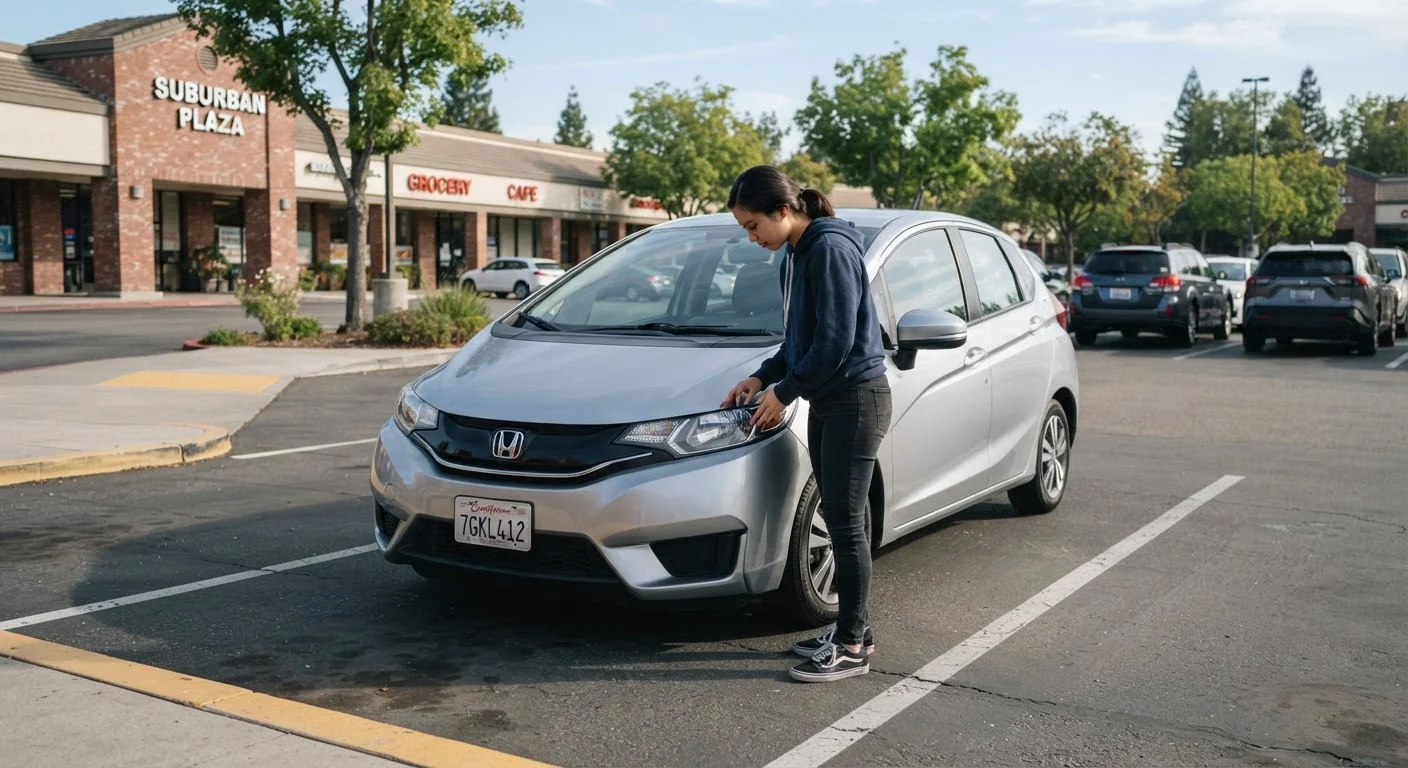
Young driver performing a pre-drive safety inspection on a compact car in morning light

Key Takeaways

A pre-drive check takes under two minutes but addresses the most common causes of preventable incidents.
Tyres, mirrors, lights, and fuel are the four non-negotiable areas to verify before moving.
Experienced drivers do this automatically — new drivers need to consciously build it as a habit.
Spotting a problem before you drive is far less costly than discovering it while driving.
This routine complements — but does not replace — regular scheduled maintenance.
1–2 min

Summary

18 items · Under 2 minutes

Why Two Minutes Before You Drive Actually Matters

Most collisions and roadside breakdowns share a common thread: the problem existed before the driver left. A deflating tyre, a blocked rear window, a fuel gauge already on red — these aren't surprises that happen on the road. They're oversights that could have been caught in the driveway.

A pre-drive check isn't about paranoia. It's about giving yourself accurate information before you're travelling at speed. Experienced drivers do a version of this automatically — a quick visual sweep, a mirror adjustment, a glance at the dash. New drivers need to make those same steps deliberate until they become second nature.

This checklist covers everything you should confirm before moving off. It's designed to take under two minutes on a typical day. For a deeper look at what goes wrong when maintenance is skipped entirely, see our guide to preventive car maintenance habits.

Exterior — Tyres and Bodywork

Walk around the vehicle and visually inspect all four tyres for obvious deflation, bulging sidewalls, or embedded objects like nails. Must
Check that no bodywork panel, bumper, or trim is loose or hanging in a way that could affect visibility or detach while driving. Must
Confirm nothing is stored on the roof, bonnet, or boot lid that could fall into traffic. Must

Lights and Signals

Confirm both headlights are working — walk to the front of the car with them on, or use a reflective surface. Must
Check that brake lights activate when the pedal is pressed — ask a passenger to watch from behind, or back up close to a wall and look in the mirrors. Must
Verify all four turn signals (indicators) flash correctly front and rear. Must
If driving in low visibility conditions, confirm fog lights are operational. Should

Mirrors and Visibility

Adjust both side mirrors so that you can see along the full length of the car with minimal blind spot — do this after sitting in your normal driving position. Must
Set the rear-view mirror to give a clear, centred view through the rear window from your seated position. Must
Clear any fog, frost, or condensation from all windows before moving off — do not rely solely on defrosters while driving. Must
Check that windscreen wipers are not frozen to the glass in cold weather before activating them. Should

Interior and Controls

Glance at the dashboard for any warning lights that were not present on your last drive and look up any unfamiliar symbols before proceeding. Must
Confirm the fuel gauge shows enough for your planned journey, including a buffer for unexpected detours or traffic. Must
Adjust your seat position so you can reach the pedals fully without stretching, and your headrest sits level with the top of your head. Must
Fasten your seatbelt and ensure any passengers are also belted before moving — not after pulling away. Must
Stow any loose items on seats or the rear deck that could become projectiles under hard braking. Should

Readiness Check

Briefly assess your own state — if you are severely fatigued, unwell, or significantly distracted, consider whether it is safe to drive right now. Must
If taking a longer trip, confirm your phone is mounted or connected hands-free before departure rather than handling it once moving. Should

How to Use This Routine Effectively

The goal is consistency, not perfection. You don't need to crouch beside each tyre with a pressure gauge every morning — though a basic understanding of tyre safety will sharpen what you're looking for during your visual check. The daily walk-around is about catching obvious problems: a noticeably flat tyre, a cracked light, a windscreen too fogged to see through.

For items that change with the seasons — coolant levels, battery performance, windscreen washer fluid — refer to our seasonal car checks guide to understand what deserves extra attention as conditions change.

Never Drive With a Significantly Deflated Tyre

Driving even a short distance on a severely underinflated or flat tyre can damage the wheel rim beyond repair and dramatically reduce your ability to steer and brake. If a tyre looks noticeably low during your walk-around, check the pressure with a gauge before deciding whether to drive. If you're unsure, err on the side of caution and contact a roadside assistance provider.

Before your first solo drive in particular, running through this list in full helps anchor the habit early. Our guide for first solo drives covers the mental and practical preparation that makes that experience less daunting.

If you notice a dashboard warning light during your interior check and aren't sure whether it's safe to drive, don't guess. Our dashboard warning lights reference explains the most common indicators and how urgently each needs attention.

Required

Tyre pressure gauge

Used to check that all four tyres meet the manufacturer's recommended PSI, typically found on a sticker inside the driver's door jamb.

Optional

Portable torch / flashlight

Useful for inspecting tyres, lights, and undercarriage in low-light conditions or in an enclosed garage.

Optional

Windscreen scraper / de-icer spray

Essential in winter months for clearing frost and ice from glass before driving — never substitute with hot water.

Required

Owner's manual

Your reference for interpreting dashboard warning lights, recommended tyre pressures, and fluid specifications specific to your vehicle.

Cars & Driving Editorial Team is the collective byline for our editorial team and contributor network. Articles published under this byline or an editorial pen name are researched, written, and reviewed according to our editorial standards for clarity, consistency, and independence before publication.

View all articles by Cars & Driving Editorial Team →
Disclaimer: The content provided on our blog site traverses numerous categories, offering readers valuable and practical information. Readers can use the editorial team’s research and data to gain more insights into their topics of interest. However, they are requested not to treat the articles as conclusive. The website team cannot be held responsible for differences in data or inaccuracies found across other platforms. Please also note that the site might also miss out on various schemes and offers available that the readers may find more beneficial than the ones we cover.