

| Kitten vet visits (first 4 months) | 3-4 visits minimum (American Association of Feline Practitioners (AAFP) guidelines) |
| Adult wellness exam frequency | Once per year (AAFP preventive care recommendations) |
| Senior exam frequency (7+ years) | Every 6 months (AAFP Senior Care Guidelines) |
| Age cats are considered senior | Around 7 years (AAFP feline life stage definitions) |
| Common senior cat conditions | Hyperthyroidism, chronic kidney disease, hypertension (Cornell Feline Health Center) |
| Recommended spay/neuter age | Typically 4-6 months (AAFP and AVMA general guidance) |
Why Preventive Vet Care Matters for Cats
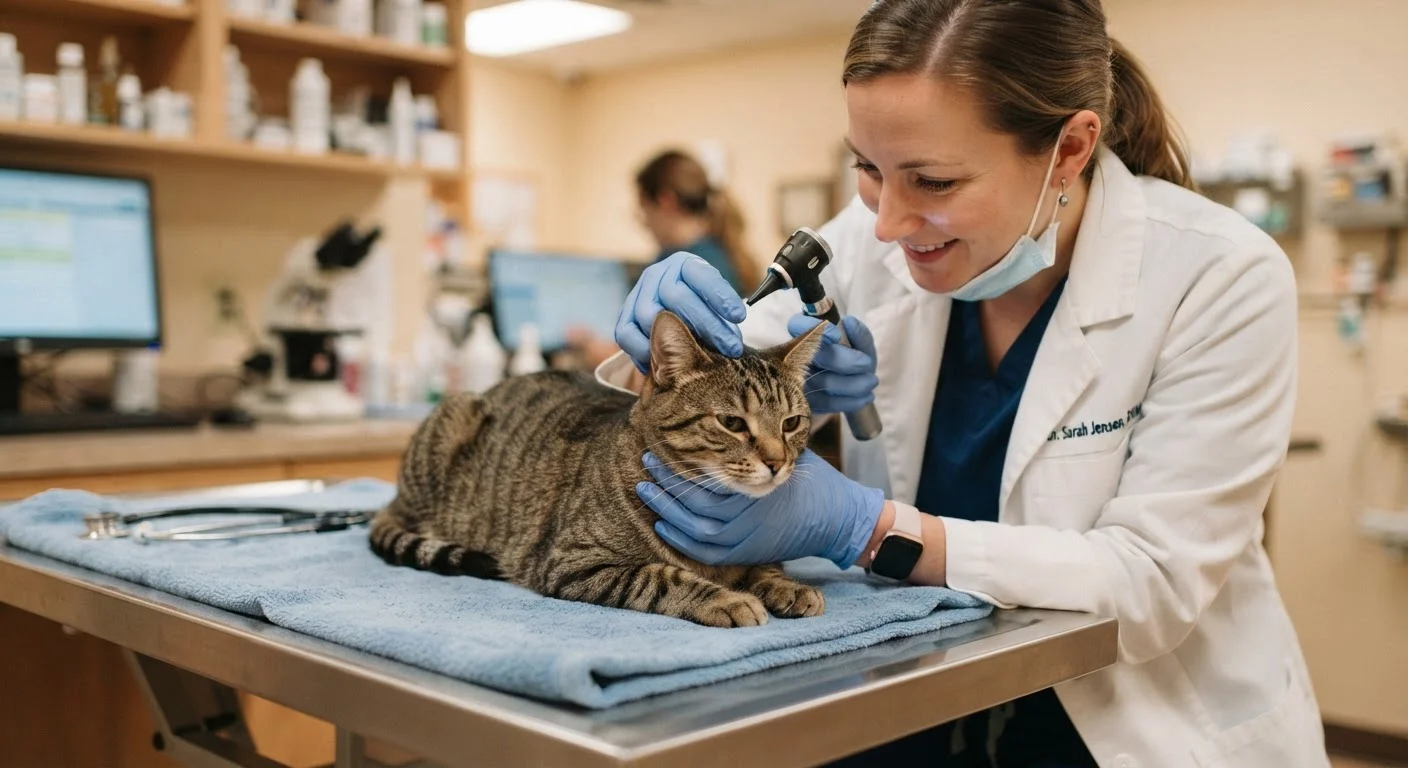
Cats are famously stoic - they often mask discomfort until a health issue is well advanced. That's exactly why scheduled veterinary visits matter more than most first-time owners expect. Preventive care catches problems early, when they're easier and less expensive to treat.
The frequency and focus of those visits shift as your cat ages. A kitten's needs look nothing like a senior cat's. This reference guide breaks down what to expect at each life stage so you can walk into every appointment informed and prepared.
If you're still deciding what type of cat to adopt, our guide to adopting a kitten vs. an adult cat covers how age affects care demands from day one.
| Kitten vet visits (first 4 months) | 3-4 visits minimum (American Association of Feline Practitioners (AAFP) guidelines) |
| Adult wellness exam frequency | Once per year (AAFP preventive care recommendations) |
| Senior exam frequency (7+ years) | Every 6 months (AAFP Senior Care Guidelines) |
| Age cats are considered senior | Around 7 years (AAFP feline life stage definitions) |
| Common senior cat conditions | Hyperthyroidism, chronic kidney disease, hypertension (Cornell Feline Health Center) |
| Recommended spay/neuter age | Typically 4-6 months (AAFP and AVMA general guidance) |
Kitten Stage (0-6 Months): Building the Foundation
Kittens need the most intensive veterinary schedule of any life stage. Expect multiple visits within the first few months.
- First exam: Ideally within 48-72 hours of bringing a kitten home. The vet checks for congenital issues, parasites, and overall condition.
- Vaccination series: Core vaccines (FVRCP - feline viral rhinotracheitis, calicivirus, and panleukopenia) are given in a series, typically at 8, 12, and 16 weeks. Rabies vaccine is usually administered around 12-16 weeks, depending on local regulations.
- Feline leukemia virus (FeLV) testing and vaccination: Often recommended for kittens, particularly those with outdoor or unknown histories.
- Parasite screening and treatment: Roundworms and ear mites are common in young kittens; flea prevention is discussed at this stage.
- Spay or neuter consultation: Many veterinarians recommend the procedure between 4-6 months, before the first heat cycle in females.
Starting on the right foot at home matters just as much - see our first-time cat owner guide for practical setup advice.
Adult Stage (1-7 Years): Annual Wellness Visits
Once a cat clears its kitten vaccines and is spayed or neutered, the pace of vet visits slows - but doesn't stop. Healthy adult cats generally need a wellness exam once a year.
- Annual physical exam: Weight, dental health, coat condition, heart and lung sounds, and abdominal palpation are all assessed.
- Vaccine boosters: FVRCP is typically boostered every 1-3 years depending on the vaccine formulation and your vet's protocol. Rabies boosters follow state or local law requirements.
- Parasite prevention review: Flea, tick, and heartworm prevention recommendations vary by region and whether your cat goes outdoors.
- Dental check: Periodontal disease affects a large proportion of adult cats. Your vet will advise when professional cleaning under anesthesia may be needed.
- Nutritional discussion: Weight gain is common in spayed and neutered cats. Diet adjustments may be recommended. For context on feeding choices, see our dry food vs. wet food comparison.
FVRCP vaccine
A core combination vaccine for cats that protects against feline viral rhinotracheitis (herpesvirus), calicivirus, and panleukopenia. It is given as a series in kittens and boosted in adults.
Hyperthyroidism
A condition common in older cats where the thyroid gland produces excessive hormones, causing weight loss, increased appetite, and elevated heart rate. It is manageable with treatment.
Chronic kidney disease (CKD)
A progressive loss of kidney function seen frequently in aging cats. Early detection through bloodwork and urinalysis allows for dietary management and supportive care.
Feline cognitive dysfunction
An age-related neurological condition in senior cats with symptoms similar to dementia - including disorientation, altered sleep patterns, and changes in social behavior.
Periodontal disease
Inflammation and infection of the structures surrounding the teeth, caused by plaque and tartar buildup. It is one of the most common health issues diagnosed in adult cats.
Senior and Geriatric Stage (7+ Years): Closer Monitoring
Cats are generally considered senior around age 7, and geriatric at around 11-15 years. At this stage, twice-yearly wellness exams are commonly recommended - even for cats that appear healthy.
- Comprehensive bloodwork: A senior wellness panel typically includes a complete blood count (CBC), chemistry panel, and thyroid levels. Hyperthyroidism and chronic kidney disease are among the most common conditions in older cats.
- Blood pressure measurement: Hypertension is frequently associated with kidney disease and hyperthyroidism in senior cats.
- Urinalysis: Early kidney changes often show up in urine before blood values shift noticeably.
- Mobility and pain assessment: Arthritis is underdiagnosed in cats because they rarely limp - behavioral changes like reluctance to jump may be the only sign.
- Cognitive changes: Feline cognitive dysfunction (similar to dementia in humans) can emerge in older cats; your vet can suggest enrichment and management strategies.
Keeping an older indoor cat mentally engaged also supports healthy aging - our article on keeping an indoor cat mentally stimulated offers practical enrichment ideas.
This article provides general educational information about feline veterinary care and is not a substitute for personalized advice from a licensed veterinarian. Always consult your vet for guidance specific to your cat's health history and needs.